A cooler bedroom
Bedroom checklist for hot nights
Twelve things the NIA and the NHS suggest for a cooler night, on one list. Mark what you have tried and whether it helped, and get a printable sheet of what is left to try.
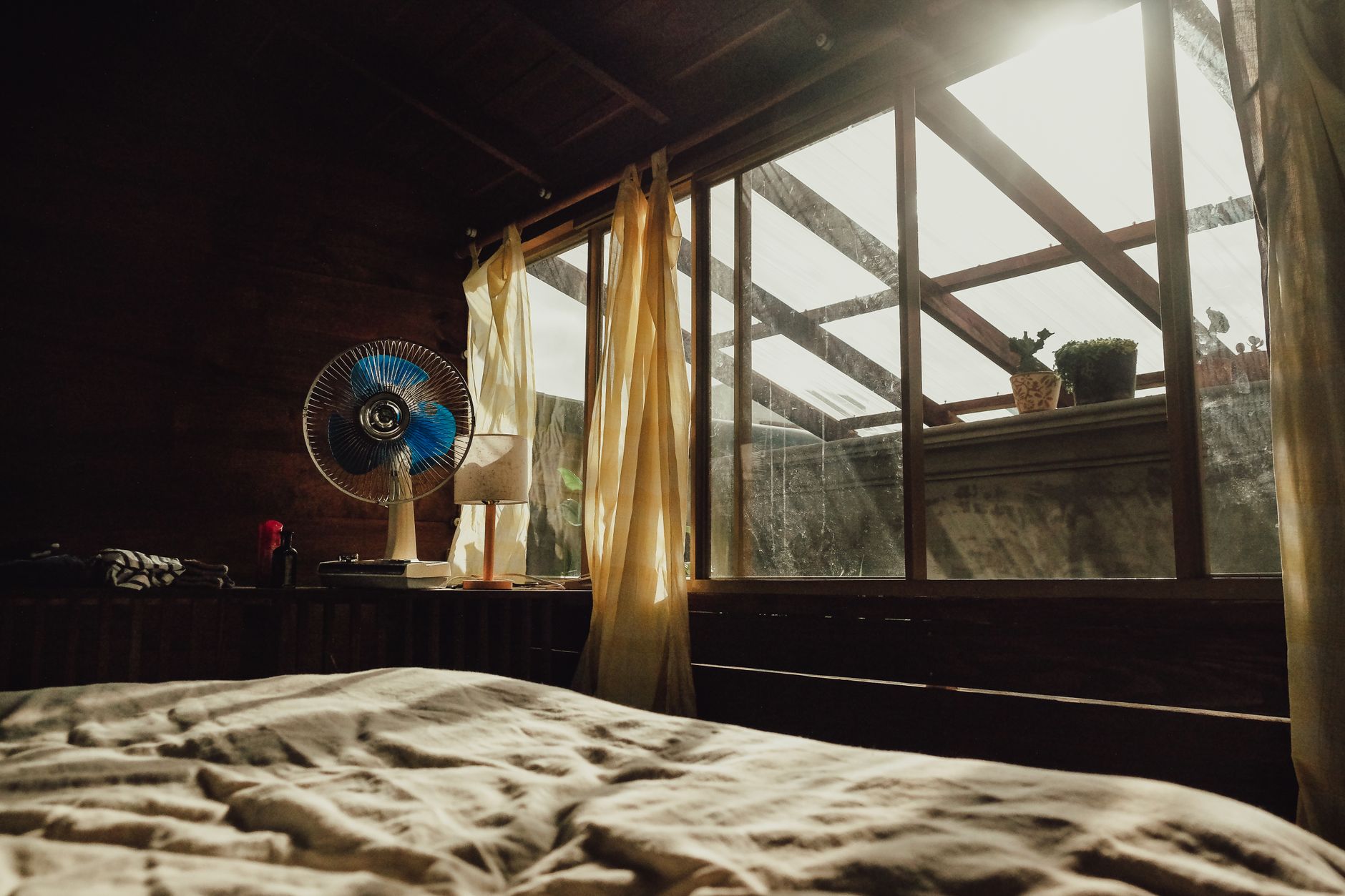
To keep cool at night during menopause, start with the bedroom: a lower temperature, a fan, and bedding in layers you can throw off. Then look at the evening, because alcohol, caffeine and spicy food can all make hot flashes worse. That is the advice of the National Institute on Aging and the NHS, and the checklist below puts every step they name in one place.
Most women have tried some of these and not others, and few remember which. Go down the list once, mark each line, and the page sorts it into what helped, what made no difference and what you have not tried yet.
Your hot-night checklist
Mark each line: not tried yet, tried and it helped, tried but it made no difference, or not relevant to you. A line left blank counts as not tried yet.
Where each line comes from
Every line is a step a public health body names, with the page it comes from linked under it. Most come from two NIA pages, Hot flashes: what can I do? and Sleep problems and menopause, and from the NHS page of things you can do for menopause symptoms. The curtains line comes from the NHS advice on coping in hot weather, which is the clearest public guidance on cooling a home without air conditioning.
The list leaves out supplements, herbal remedies and medicines on purpose. The NIA warns that black cohosh, DHEA and soy isoflavones are not proven to work and that some carry risks. Treatment is something to discuss with your doctor. The page counts your answers and sorts them. It does not score you or judge your nights.
Cooling a bedroom without air conditioning
The NHS hot weather advice works in any bedroom. Close the windows, curtains and blinds during the day, especially in a room that faces the sun, and open them at night once the air outside is cooler than the air inside. An electric fan helps while the room is below 35°C (95°F). A cool shower before bed, a cold drink, or cool water on your skin all bring your own temperature down.
For night-time hot flashes the NIA adds a fan by the bed and layered bedding, so you can cool down in a few seconds without getting up and fully waking. A fan you can reach from the pillow, on a low setting all night, is the cheapest item on this page.
What to wear to bed with night sweats
Wear less, and wear light. The NHS lists lightweight clothing for hot flushes and night sweats, and the NIA suggests layers you can take off when a flash starts. Neither names a fabric, so this page does not either. What matters is whether you can strip off a layer half-asleep.
The NHS describes night sweats as sweating so much that your night clothes and bedding are soaking wet, even though the room is cool. On nights like that, I'd keep a dry top and a towel within reach of the bed, so a change takes a minute in the dark and you are not standing at a drawer under the main light.
A worked example
Take a made-up reader. She keeps the bedroom cool and sleeps in a thin vest, and both help. She switched to layered bedding and noticed no difference. She does not smoke, so that line does not apply. She has not tried the other eight.
Her summary tells her she has tried three of the eleven steps that apply to her, and that two of them helped. Below that come the eight still open, each with a link to its source. Printed, that is one page she can stick on the bedroom door. I'd have her take the evening lines next, one at a time, because cutting out the evening glass of wine or the late curry for a week costs nothing and gives a clear answer.
My take
I'd start with the two free steps on the room list: shut the curtains in the afternoon and open the window at bedtime. I'd skip buying new bedding until the evening lines have had a fair trial, because those cost nothing either.
Change one thing at a time and give it a few nights. If you open the window, buy a fan and give up wine in the same week, you will sleep better and never learn which of the three did it. Our printable night diary is the place to note what you changed each night, with your flushes graded mild, moderate or severe on the same row.
When the list is not enough
Some women work through every line and still wake soaked. The NHS night sweats page advises seeing a GP if night sweats come regularly and wake or worry you, if you also have a high temperature, a cough or diarrhoea, or if you are losing weight without trying. The NHS also says cognitive behavioural therapy can help manage hot flushes and sleep problems, and your doctor can talk you through that and the treatment options.
For more on the room itself, our cooler bedroom section gathers every article on bedding, nightwear and cooling. Our night sweats section covers the causes other than menopause.