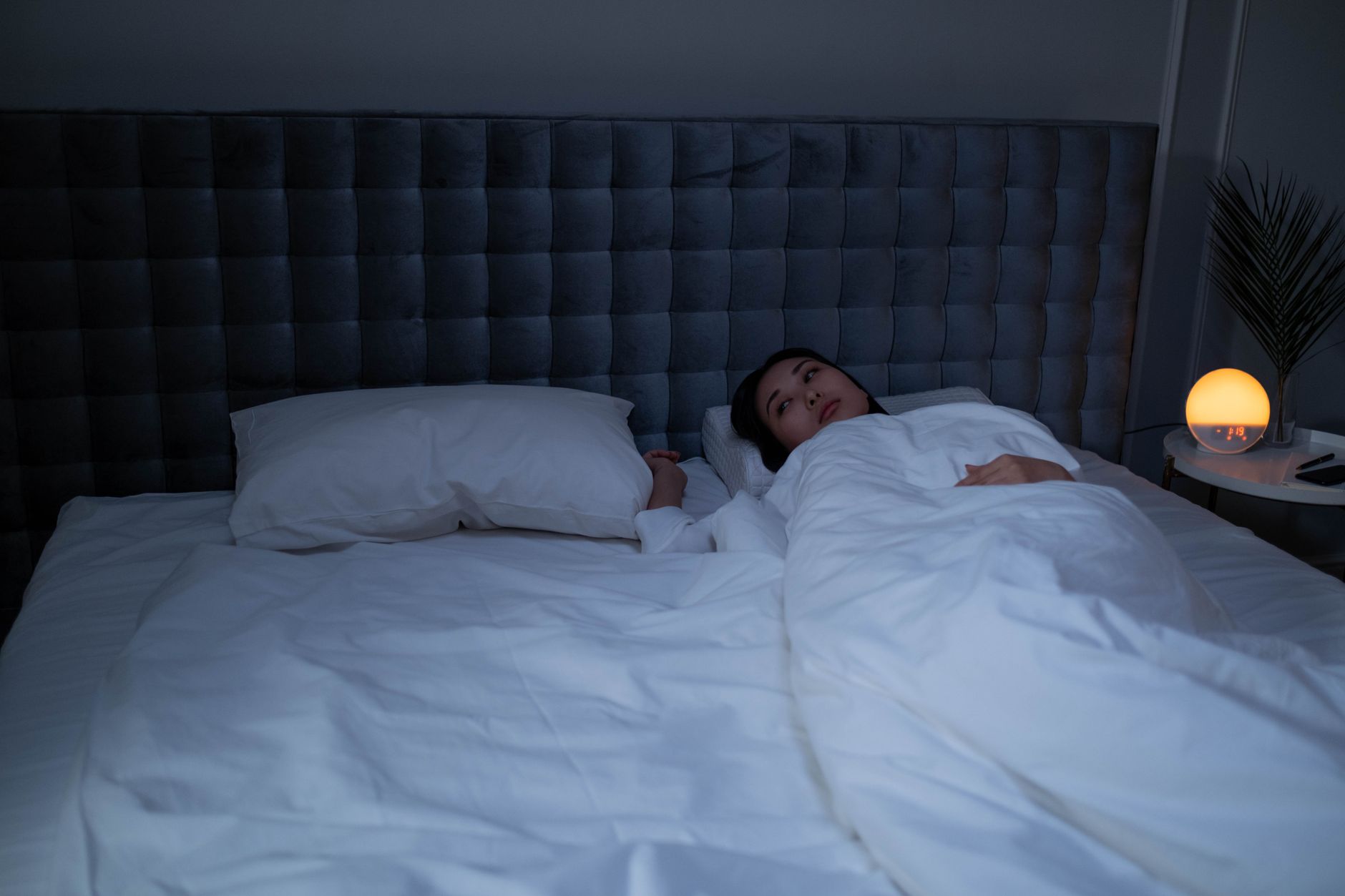
Waking at 3am in menopause: why it happens
Why so many women in perimenopause and menopause wake at 3am, what sleep studies say about hot flashes in the early hours, and what to do while you lie awake.
Trouble falling asleep, waking at 4am with no way back to sleep, and the habits the National Institute on Aging suggests.
Why so many women in perimenopause and menopause wake at 3am, what sleep studies say about hot flashes in the early hours, and what to do while you lie awake.
Why sleep falls apart in perimenopause and menopause, how long it tends to last, how anxiety feeds it, and what the evidence says helps, from NIA, NHS and SWAN.
Why sleep changes in perimenopause and after: night sweats, early waking, mood, sleep apnoea and night-time trips to the toilet, and what NIA and the NHS say helps.
What the sources say
Sleep often changes in perimenopause in two ways. ACOG names insomnia, meaning trouble falling asleep, and waking long before your usual time. Many women describe the second as the same hour every night, often in the small hours. Why it tends to be around three, and what to do while you are awake, is in waking at 3am in menopause.
The National Institute on Aging links poor sleep in these years to hot flashes, especially night sweats, and to low mood and depression. It also points out how full midlife tends to be: ageing parents, grown children, more work. The NHS adds that lost sleep can leave you irritable, stressed and anxious, and can make memory and concentration feel worse.
NIA's list of habits is plain and worth taking in full: the same bedtime and waking time every day, no naps late in the afternoon or evening, a bedtime routine, no screens in the bedroom, a room that is cool and quiet, exercise at regular times but not close to bed, no large meals late, no caffeine late in the day. On alcohol it is blunt: even small amounts make it harder to stay asleep.
If habits are not enough, NIA says cognitive behavioural therapy for insomnia has been shown to help women with menopausal symptoms, ideally with a therapist who knows this stage of life. Sleep medicines are a question for your doctor. NIA notes they are not a cure for insomnia and are not meant for long-term use.
Not every bad night is insomnia. Our overview of menopause and sleep problems sorts the other usual causes, including sleep apnoea, which becomes more common after menopause, and getting up to pee at night. The article on insomnia in menopause explains why it happens, how anxiety feeds it, how long it tends to last and what the CBT-I trial in menopausal women found. The pieces below cover the rest of the night.
Related reading