Insomnia and 3am waking
Waking at 3am in menopause: why it happens
Waking at 3am is one of the most common sleep changes of perimenopause and menopause: ACOG lists waking long before your usual time as a sign of the transition. The second half of the night is when sleep is lightest and, in sleep-lab studies, when night hot flashes cluster, so a small disturbance is more likely to wake you fully and keep you up.
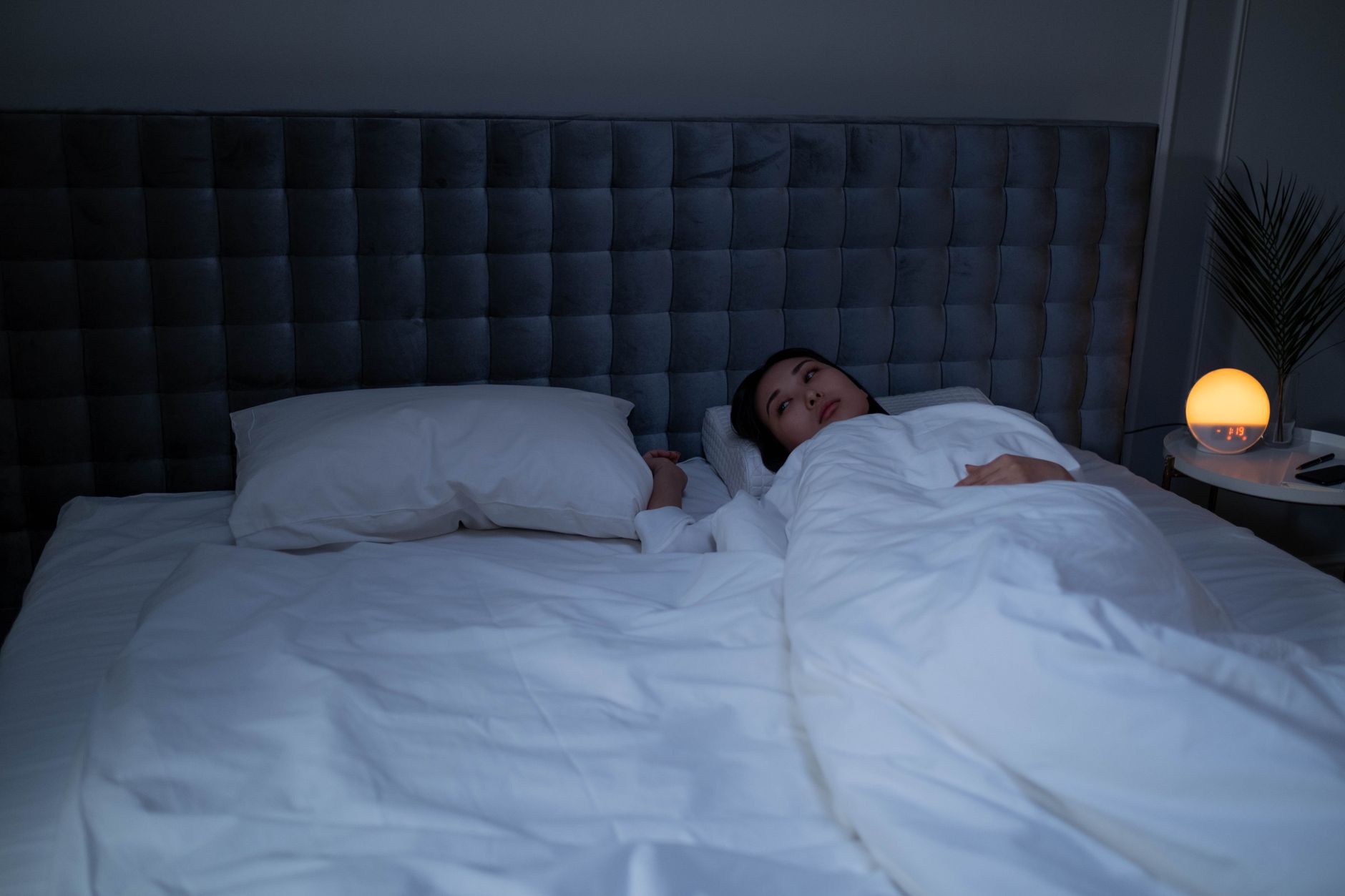
This page is about one hour of the night and the questions women bring to it: why then, why every night, and what to do with the time. If your trouble is broader than early waking, the overview of menopause sleep problems sorts the usual causes, and menopause insomnia and how long it lasts covers the longer pattern and the evidence for CBT-I.
Why the early hours are when you wake
Sleep is not one even block. The National Institute of Neurological Disorders and Stroke explains that you cycle through several stages a few times a night, and that deep stage 3 sleep comes in longer stretches during the first half. REM periods get longer and more frequent towards morning. By 3am most of the deep sleep is behind you, and what is left breaks more easily.
Night hot flashes add to that. In a sleep-lab study of 34 perimenopausal women published in Fertility and Sterility in 2014, researchers measured hot flashes through skin sensors on the chest and recorded sleep overnight. The women averaged 3.5 hot flashes a night, the number peaked in the fifth hour after lights out, and 69.4% of them came with an awakening. For someone who turns off the light at about ten or eleven, hour five lands squarely in the small hours.
The same study found the women underestimated their own nights. They reported about one and a half hot flashes on average against the three and a half the sensors picked up, and fewer wakings than the recordings showed. So "I just woke up, I wasn't hot" may be true, and a flash may still have been part of it.
Heat first, or waking first?
Most of us assume the heat comes first. The National Institute on Aging says research now suggests that waking up may itself trigger the hot flash. The timing matters here. The 2014 paper describes earlier work by Freedman and Roehrs, who found that hot flashes tended to come before awakenings in the first half of the night, while in the second half that order did not hold.
For a 3am waking this means the flush you feel after you come to may be a result of waking rather than its cause. Cooling the room still helps with the heat. It may not, on its own, stop the waking, which is why the habits further down this page matter as much as the fan.
Waking at 3am every night
ACOG names two sleep changes in perimenopause: trouble falling asleep, and waking long before your usual time. Many women have only the second. They drop off easily, wake somewhere between two and four, and lie there until the alarm.
A pattern that repeats night after night has a way of feeding itself. Sleep researchers, as described in a review of the SWAN study, think insomnia that begins with night sweats can carry on as a habit after the sweats ease: the bed becomes a place where you lie awake, and the brain learns to expect it. Worry adds fuel. At 3am, a racing heart from a flush turns easily into planning tomorrow or counting the hours left, and NIA counts low mood among the things that make menopausal sleep worse. This learned part is what cognitive behavioural therapy for insomnia (CBT-I) is built to undo.
Other things that wake you in the small hours
Not every 3am waking is hormonal, and a couple of common causes are easy to miss:
- A full bladder. The NHS lists needing to pee more often, including at night, among menopause symptoms, and evening drinks, caffeine and alcohol add to it.
- Alcohol. NIA says even small amounts make it harder to stay asleep, and the effect tends to show later in the night, after the first sleepy hours have passed.
- Sleep apnoea, which becomes more common after menopause. Loud snoring, gasping, or someone noticing your breathing stop and start are reasons to see a doctor.
- Light and noise. A bedroom that gets light early, or a partner who rises before you, can be the whole story in summer.
The sleep problems overview goes through each of these with the signs the NHS and MedlinePlus give.
What to do while you are awake at 3am
The NIH sleep guidance is direct about it: do not lie in bed awake. If sleep is not coming back, get up and do something quiet, such as reading or listening to calm music, until you feel tired, then return to bed. The same page notes that light can make it harder to get back to sleep, so keep lamps low and leave the phone where it is. NIA also suggests keeping screens out of the bedroom altogether.
If you woke hot, deal with the heat first. NIA suggests layered bedding you can push off, a fan, light layers of nightwear and a small amount of cold water before bed. A glass by the bed lets you sip without getting up, but keep it small if a full bladder is part of your night. The bedroom checklist for hot nights puts every NIA and NHS cooling step on one page so you can mark what you have tried.
What to change before bed
Because early waking is partly learned, the day before counts as much as the night itself. NIA's list for the menopausal transition starts with going to bed and getting up at the same time every day, including weekends, and avoiding naps late in the afternoon or evening. It adds a calm bedtime routine, exercise at regular times but not close to bed, no large meals late, no caffeine late in the day (tea and chocolate included) and no alcohol as a sleep aid.
A steady wake time matters most for early wakers. Sleeping in after a bad night feels fair, yet it moves the next night later and makes the pattern harder to shift.
When to talk to a doctor
Make an appointment if you wake early most nights for several weeks, if it is wearing down your days, or if it comes with low mood or anxiety. The NHS also says to see a GP about night sweats that are regular and wake you, or that come with a fever, a cough or weight loss you cannot explain. NIA notes that CBT-I has been shown to help women with menopausal symptoms sleep better, and your doctor can point you to someone trained in it. Treatment for the symptoms themselves is a conversation for that appointment, and this site gives no advice on HRT, medicines or supplements.
My take
I'd start with two weeks of notes before changing anything: what time you woke, whether you were hot before or only after you came to, whether you needed the toilet, and what you drank that evening. The printable night diary has a column for each. If the wakings cluster at the same hour whether or not you were hot, I would put the effort into a fixed wake time and getting out of bed when sleep will not come, rather than buying more cooling kit. If heat comes first every time, the bedroom is the place to begin. Every piece on this subject sits in the insomnia and 3am waking section.