Insomnia and 3am waking
Menopause insomnia: why and how long it lasts
Insomnia in menopause usually comes from several things at once: night sweats, the hormone changes of the transition, low mood or anxiety, and a busy stage of life. It tends to be worst in late perimenopause, and the menopause symptoms around it usually last 7 to 9 years, though poor sleep can outlast the hot flashes.
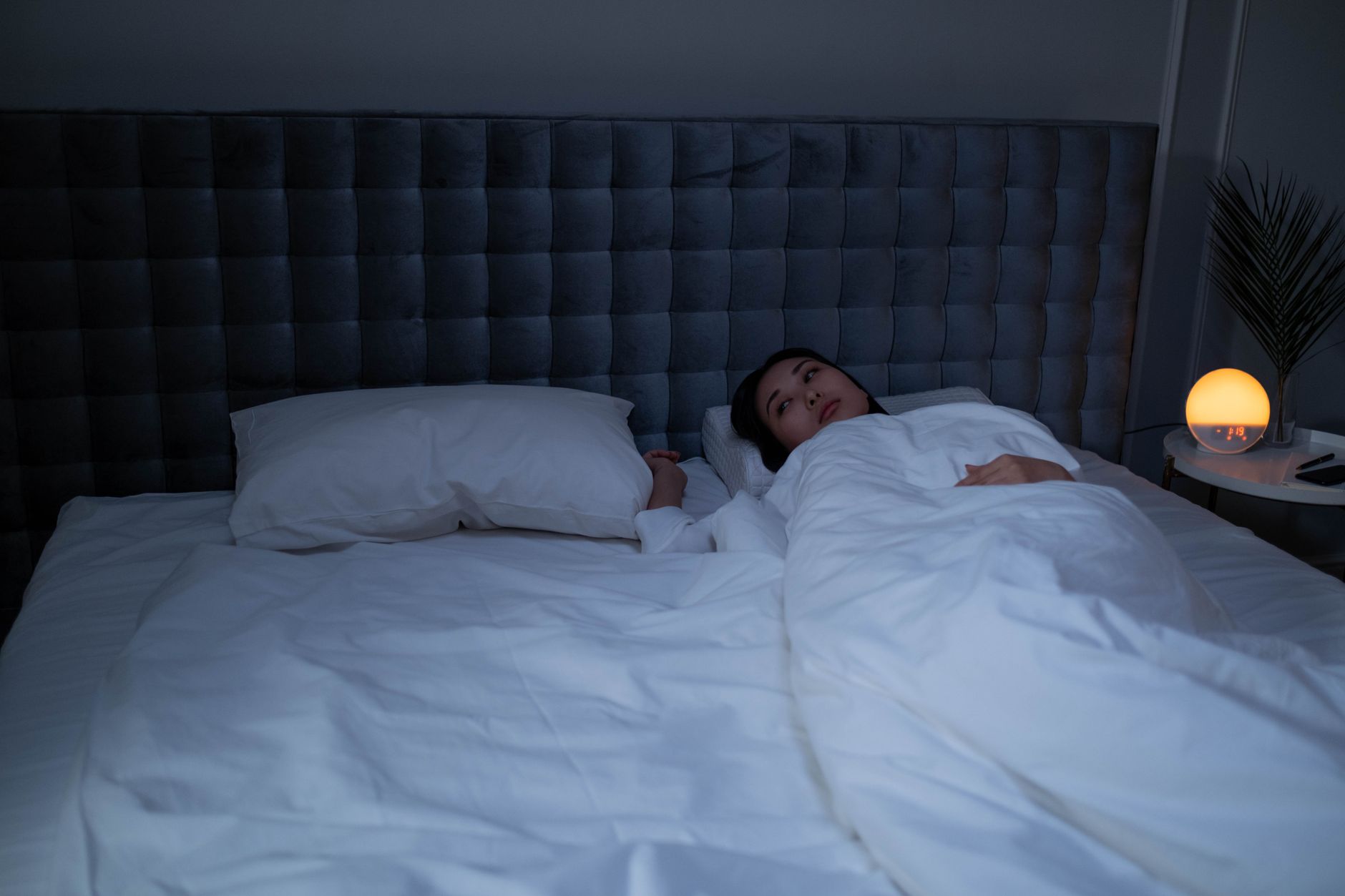
The good news in the research is that the most studied fix, cognitive behavioural therapy for insomnia, works for women in this stage of life even while the hot flashes carry on. This page sets out why the nights change, how long they tend to stay changed, and where to start. If you are not sure insomnia is the whole story, our overview of menopause and sleep problems covers the other common causes, from sleep apnoea to night-time trips to the toilet.
What menopause insomnia looks like
ACOG describes two patterns in perimenopause: trouble falling asleep, and waking up long before your usual time. The NHS puts it as not being able to get to sleep or stay asleep, and says it can leave you irritable, stressed and anxious the next day.
For many women it is the staying asleep that goes first. A review of the SWAN study, which followed thousands of American women through the transition, cites older survey work showing that from about 40 onwards, waking in the night and waking too early become more common complaints than trouble dropping off. In practice that can mean falling asleep easily enough, then lying wide awake at three or four until the alarm goes. The page on waking at 3am in menopause looks at why that hour in particular.
Why menopause and insomnia go together
There is no single cause, and the researchers say so. The SWAN sleep review found that hot flashes, depression, anxiety, general health and arthritis were all tied to poor sleep in midlife women. The main threads:
- Night sweats. The NHS says sleep problems may be worse if you also have night sweats, and the National Institute on Aging names night sweats first among the things that disturb sleep at this stage.
- Waking may come first. NIA adds a twist that surprises most people: research suggests that waking from sleep may itself trigger a hot flash, rather than the flash always waking you.
- The transition itself. SWAN found sleep difficulty climbed from premenopause to late perimenopause and stayed high after the last period, even in women who had no hot flashes. So some of it is the stage of life and its hormone changes, separate from the sweating.
- Mood. NIA lists depression in particular as a contributor, and the NHS notes that mood and memory problems feel worse when you are short of sleep.
- A full life. NIA points out that these years often bring ageing parents, children leaving home and more responsibility at work, all of which can follow you to bed.
One idea from the sleep researchers explains why the problem can stick. The SWAN review describes a suggestion that insomnia first set off by night sweats can become a learned habit, carrying on after the sweats themselves have eased. The bed becomes the place where you lie awake. That matters, because it is exactly the pattern CBT for insomnia is built to undo.
Insomnia, menopause and anxiety
Anxiety turns up on both sides of the problem. The NHS lists anxiety among the effects of a hot flush itself, alongside sweating and palpitations, and lists it again among the effects of losing sleep. In the large SWAN survey, anxiety and depression were among the factors most strongly linked with difficulty sleeping, and the link held when women with hot flashes were taken out of the analysis.
In practice that can become a loop: a flush or a racing heart at 3am, worry about how tomorrow will go, then too much alertness to drift off again. The NHS also notes that hot flushes and night sweats may ease over the years and be replaced by other symptoms such as low mood and anxiety. If worry is what keeps you awake, say so to your doctor as plainly as you would mention the sweats, because it changes what help makes sense.
How long does menopause insomnia last?
Nobody can give you a date, but the sources give a fair outline. The NHS says menopause symptoms usually last 7 to 9 years, sometimes longer, and change during that time. Perimenopause alone typically runs 2 to 10 years, with a median of about four, according to the SWAN review.
Sleep follows its own curve inside that span. SWAN found sleep difficulty peaked in late perimenopause, the stretch when periods are far apart, and then levelled off without dropping back to where it started. So the honest answer to "will this pass?" is that the hot flashes often do, and the sleep may need work of its own.
For a sense of scale, SWAN asked more than 12,000 women aged 40 to 55 about the previous two weeks, and 37.7% said they had difficulty sleeping. You are far from alone at 3am.
Menopause insomnia help: what the evidence supports
Sleep habits first
NIA's list is short and free: go to bed and get up at the same time each day, skip naps late in the afternoon or evening, keep a bedtime routine, keep screens out of the bedroom, keep the room comfortable and quiet, exercise at regular times but not close to bed, and avoid large meals and caffeine late in the day. On alcohol NIA is direct: even small amounts make it harder to stay asleep.
If heat is part of what wakes you, our bedroom checklist for hot nights collects the NIA and NHS cooling steps on one page and lets you mark which you have tried.
CBT for insomnia (CBT-I)
When habits are not enough, NIA recommends cognitive behavioural therapy for insomnia and says it has been shown to improve sleep in women with menopausal symptoms. It is a short course of structured sessions that changes how you use your bed and your nights, and it usually includes keeping a sleep diary.
The best known trial in this group is the MsFLASH study, published in JAMA Internal Medicine in 2016. It gave 106 women aged 40 to 65, all with insomnia and at least two hot flashes a day, six telephone sessions over eight weeks of either CBT-I or general menopause education. The CBT-I sessions covered sleep restriction, stimulus control, sleep habits and changing unhelpful thoughts about sleep.
Six months on, 84% of the women who had CBT-I were in the "no insomnia" range, against 43% of the education group. Their hot flashes did not become less frequent, but the women reported that the flashes bothered them less. That is the result I find most useful for this audience: you do not have to wait for the sweats to stop before your sleep can improve.
Talk to your doctor about treatment
This site does not give treatment advice. HRT, other prescription options and sleep medicines all have their place, and which suits you depends on your health history. NIA notes that sleep medicines may help for a short time but are not a cure for insomnia and are not meant for long-term use. The NIA page on hot flashes also warns that herbal products such as black cohosh are not proven and some carry risks.
When to talk to a doctor
NIA's advice is simple: talk to your doctor if you are having trouble sleeping. The NHS suggests seeing a GP if you think you have menopause symptoms and want to know your options, or if you notice palpitations. Go sooner if night sweats are regular and wake or worry you, come with a fever, a cough or diarrhoea, or come with weight loss you cannot explain, which the NHS night sweats page lists as reasons to be seen.
Bring a record. Two weeks of notes on when you went to bed, when you woke, how often you woke and whether you were sweating gives a doctor far more to work with than "I sleep badly". Our printable night diary has a row for each of those, with hot flashes graded mild, moderate or severe.
My take
I'd start with the two cheapest moves at once: a fixed wake-up time every day, weekends included, and no alcohol on weeknights for a fortnight, with the diary running. If you are still waking most nights after that, I would ask a doctor about CBT-I before anything else, because it is the option with the best trial evidence for women who still have hot flashes, and its gains held at six months.
For more on early waking and the habits NIA suggests, the insomnia and 3am waking section gathers every piece on the subject, and night sweats covers the causes that are not menopause.