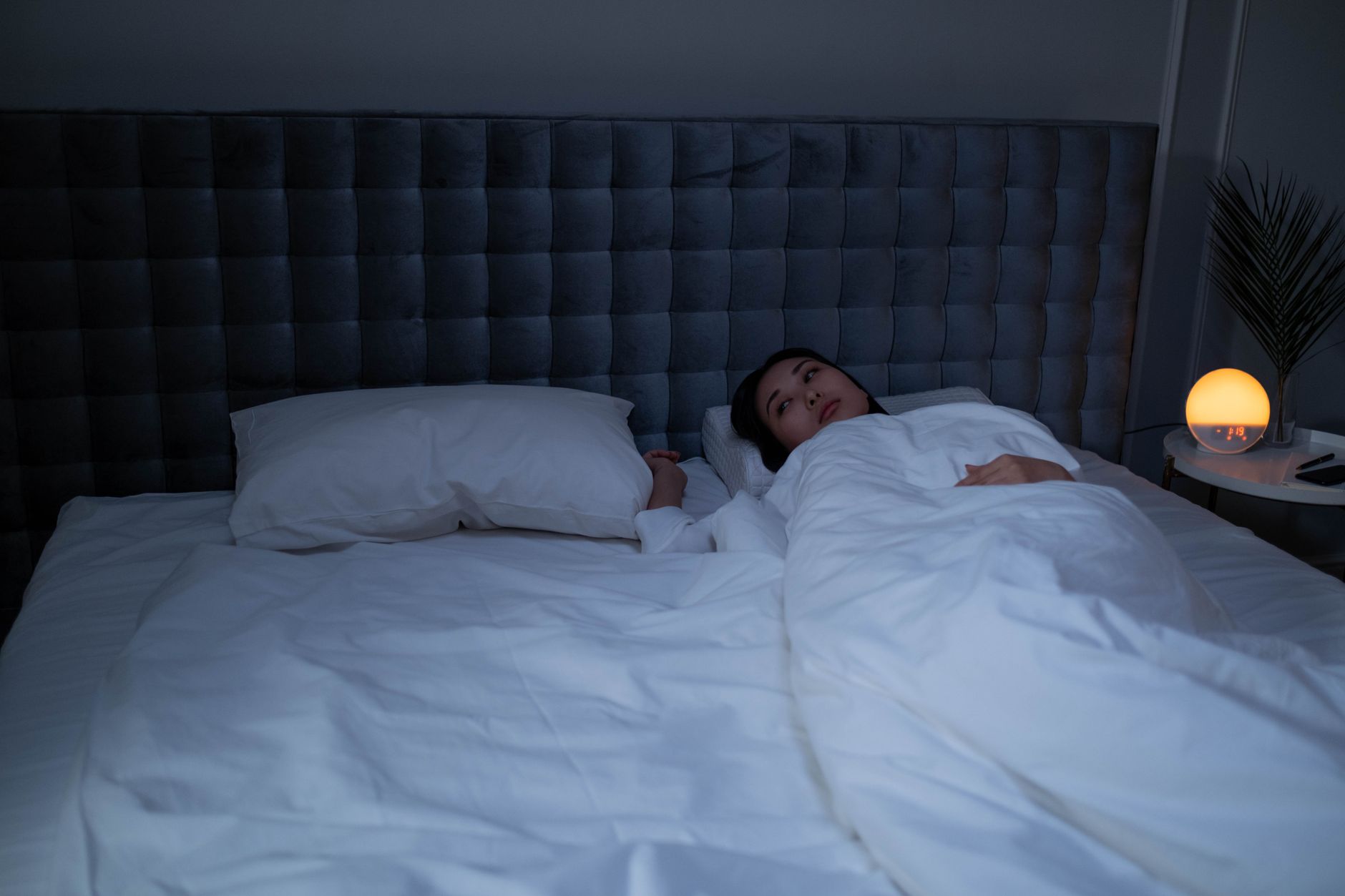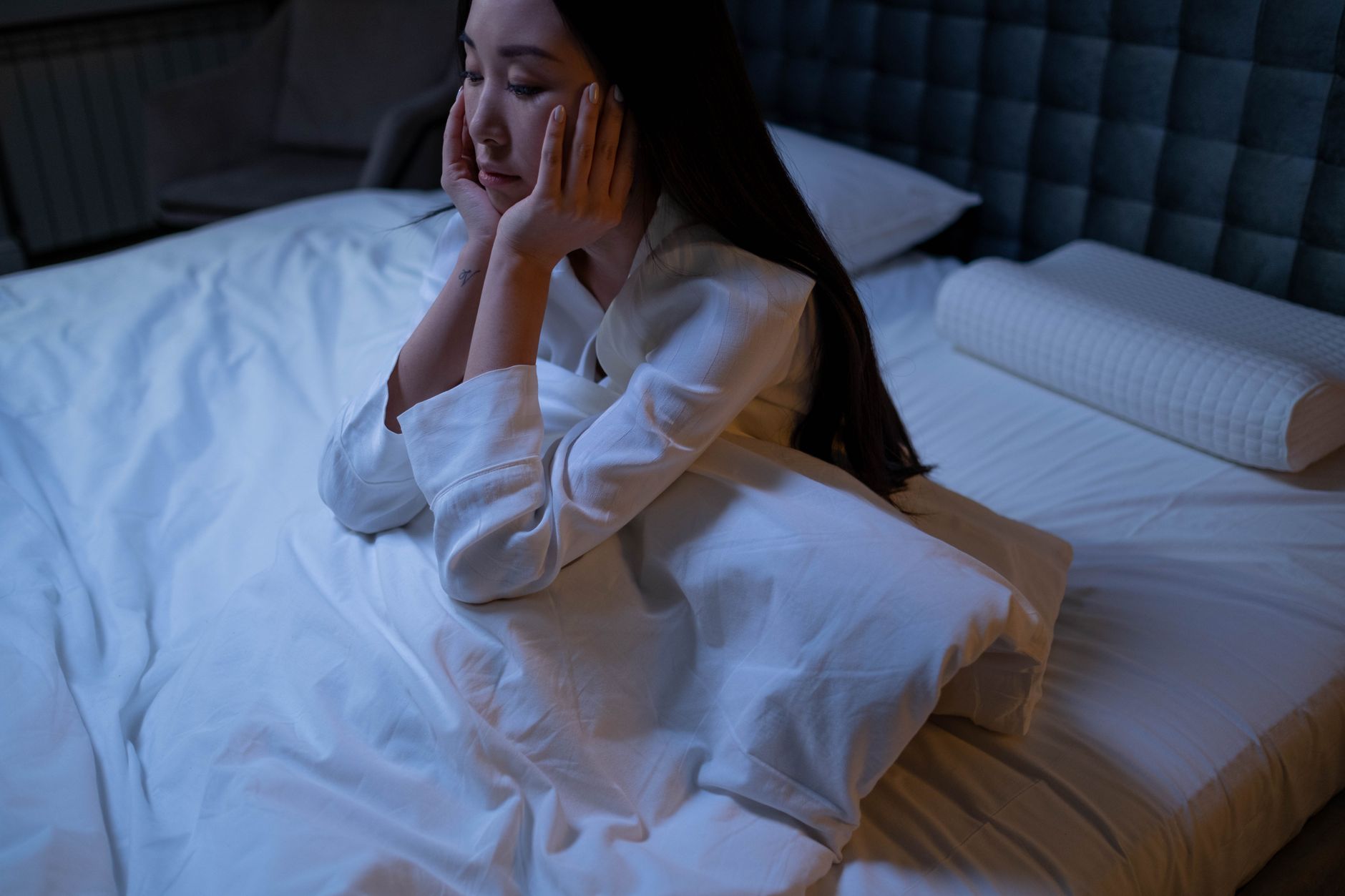
Waking at 3am in menopause: why it happens
Why so many women in perimenopause and menopause wake at 3am, what sleep studies say about hot flashes in the early hours, and what to do while you lie awake.
One question per article, answered in the first lines and backed by the NHS, NIH or ACOG page it came from.
Why so many women in perimenopause and menopause wake at 3am, what sleep studies say about hot flashes in the early hours, and what to do while you lie awake.
Twelve ways to keep cool at night during menopause, based on NIA and NHS advice. Tick what you have tried and whether it helped, then print what is left to try.
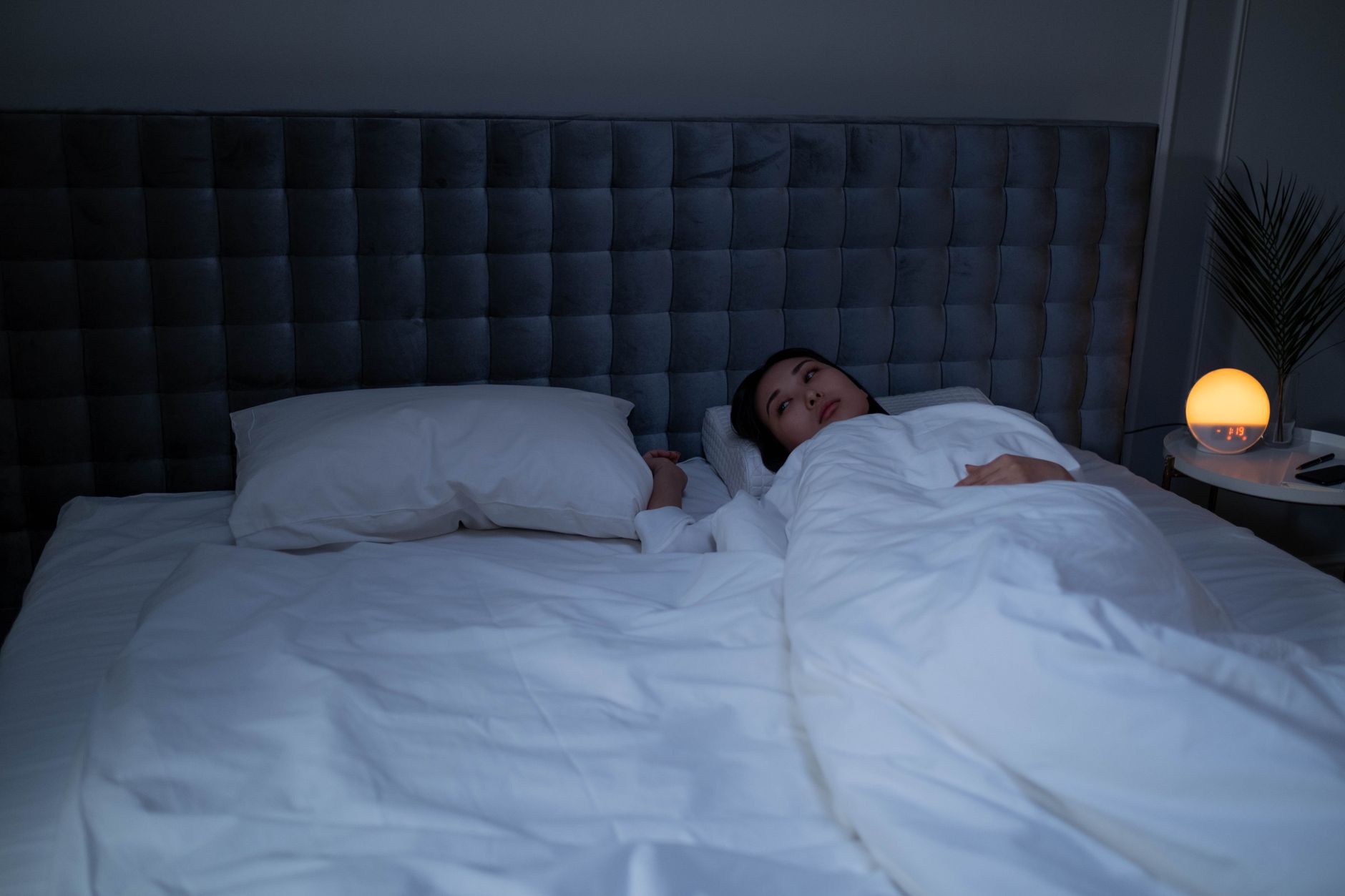
Why sleep falls apart in perimenopause and menopause, how long it tends to last, how anxiety feeds it, and what the evidence says helps, from NIA, NHS and SWAN.
Why sleep changes in perimenopause and after: night sweats, early waking, mood, sleep apnoea and night-time trips to the toilet, and what NIA and the NHS say helps.
A free menopause night diary: bedtime, wakings, each hot flash or night sweat rated mild, moderate or severe, and evening food and drink. Fill it in or print it.
Each topic page sums up what the health services say and lists every article about it.
How each article is built
Every article here starts from one question a woman types at night, such as why hot flashes feel worse after dark or why she keeps waking at 3am. The first two or three sentences answer it. The rest explains what the health services say, what you can change in the bedroom and in the evening, and when a symptom is a reason to see a doctor.
Each health fact links to the page it came from, in the sentence that uses it. We describe symptoms as mild, moderate or severe, and we leave treatment choices to you and your doctor.