Insomnia and 3am waking
Menopause sleep problems: what causes them
Yes, menopause can cause sleep problems, and usually more than one at a time: night sweats, waking too early, low mood or anxiety, and in later years sleep apnoea and getting up to pee. Most of these can be named, tracked and taken to a doctor, and a short list of sleep habits from the National Institute on Aging is the place to start.
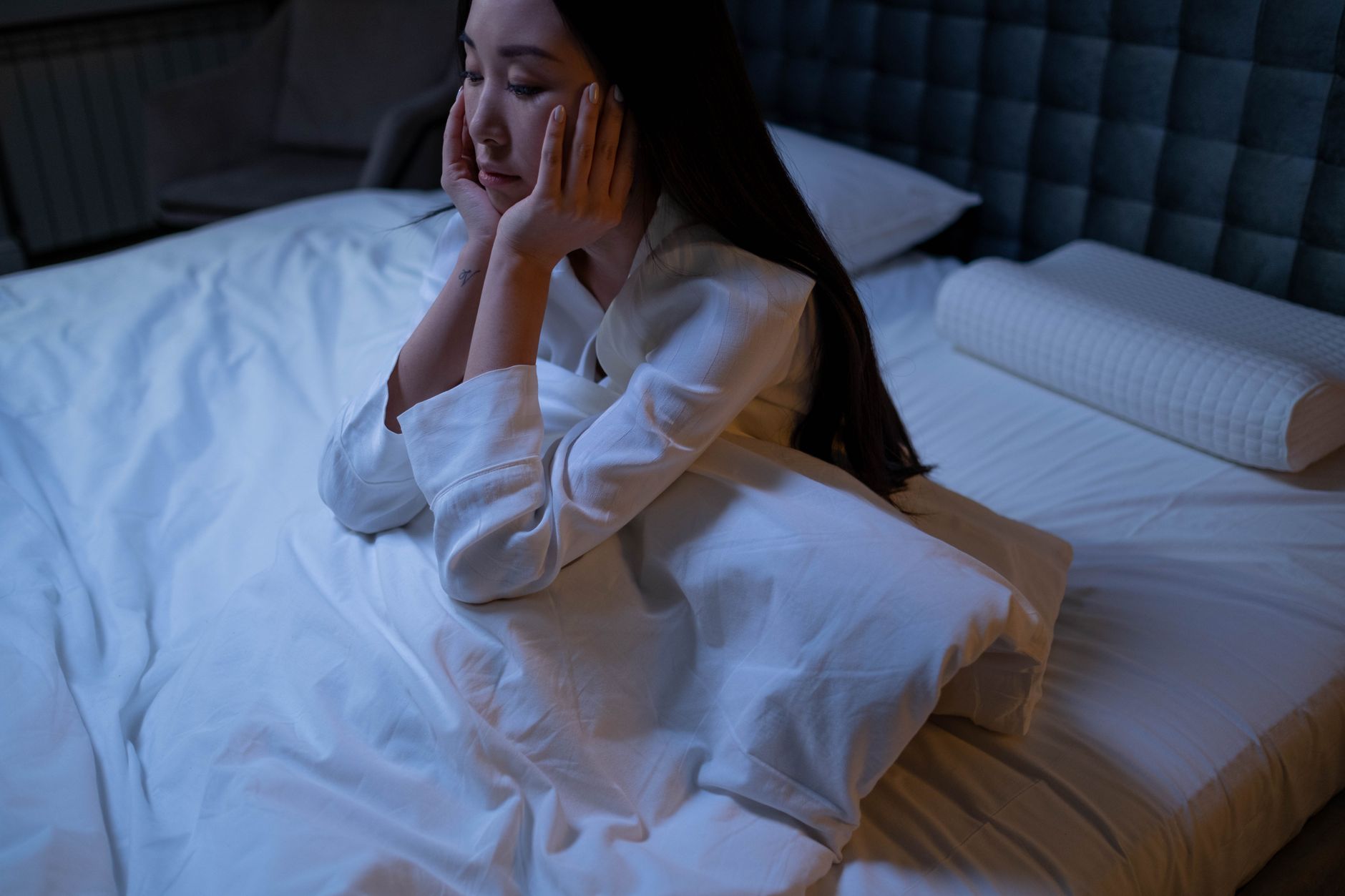
This page is the overview. It sorts the usual causes of bad nights in midlife so you can work out which ones are yours, then points to the deeper pages on this site for each. If falling or staying asleep is the main trouble, our piece on menopause insomnia and how long it lasts goes further into that one.
Can menopause cause sleep problems?
It can, and it often starts well before the last period. ACOG describes two patterns in perimenopause: insomnia, meaning trouble falling asleep, and waking up long before your usual time. The NHS symptoms page lists sleep problems alongside hot flushes, mood changes and brain fog, and says they can leave you irritable, stressed and anxious during the day.
The scale is large. In the SWAN study, which surveyed more than 12,000 American women aged 40 to 55, 37.7% reported difficulty sleeping in the previous two weeks. Sleep complaints peaked in late perimenopause, when periods are far apart.
Night sweats and hot flashes
A night sweat is a hot flash that happens while you sleep. The NHS describes the face, neck and chest suddenly feeling very hot, sometimes with heavy sweating, palpitations or anxiety, for several minutes. Night clothes and sheets can end up soaked even in a cool room. The NHS also says sleep problems may be worse if you have night sweats.
The National Institute on Aging adds a finding that changes how you might think about it: research now suggests that waking from sleep may itself trigger hot flashes, rather than the other way around. So a cooler bedroom helps, and so does anything that cuts down on waking in the first place. Our night sweats section covers the causes that are not menopause and when the NHS says to see a GP.
Waking too early, and lying awake
Many women fall asleep without trouble, then wake at three or four and cannot drop off again. ACOG names this early waking as a perimenopause sign in its own right. A review of the SWAN data notes that from about 40 onwards, waking in the night and waking too early become more common complaints than difficulty getting to sleep. Why it so often happens around three, and what to do while you lie there, is the subject of waking at 3am in menopause.
One explanation from sleep researchers, described in that review, is that insomnia started by night sweats can turn into a habit and carry on after the sweats have eased. That pattern is what cognitive behavioural therapy for insomnia (CBT-I) is designed to break. The insomnia and 3am waking section gathers every page we have on it.
Mood, anxiety and a full life
NIA names changes in mood, depression in particular, as a contributor to poor sleep during the transition. In SWAN, anxiety and depression were among the factors most closely tied to difficulty sleeping, and the link held in women who had no hot flashes at all.
The NHS puts the loop in plain terms: mood, memory and concentration problems feel worse when you are short of sleep, and short sleep feeds the low mood. NIA also points to what these years tend to bring: ageing parents, children moving into adulthood, more weight at work. If worry is what keeps you up, tell your doctor that as clearly as you would describe the sweats, because it changes what help is likely to work.
Sleep apnoea, which rises after menopause
Obstructive sleep apnoea is when the airway narrows during sleep so that breathing stops and starts. It is known to be more common in women after menopause, and a 2022 study of 774 European women aged 40 to 67, published in PLOS ONE, found that lower estrogen and progesterone levels went with more snoring and more apnoea symptoms.
Hot flashes and apnoea may also travel together. A Mayo Clinic study in the journal Menopause screened 2,935 women and found that those with severe hot flashes or night sweats had 1.87 times the odds of scoring at intermediate or high risk of sleep apnoea, after allowing for age, weight, smoking and blood pressure. The authors point out that the screening questionnaire was designed for men, so it may overstate the risk in women.
This is the cause I would least want a reader to put down to "just menopause". The NHS sleep apnoea page lists the signs: breathing that stops and starts, gasping, snorting or choking noises, loud snoring and waking a lot, and in the daytime feeling very tired, struggling to concentrate, mood swings or a headache on waking. Because the signs happen while you are asleep, the NHS suggests asking someone to stay in the room and watch for them. See a GP if you have any of the main signs, because untreated apnoea is linked to high blood pressure, stroke, type 2 diabetes and heart disease.
Getting up to pee at night
The NHS lists needing to pee more often than usual, including at night, among menopause symptoms, along with more urinary infections or symptoms that feel like one. Each trip breaks your sleep, and if you were already prone to early waking, getting back to sleep afterwards can be the hard part.
MedlinePlus lists the other common reasons, and several are worth ruling out: drinking a lot in the evening, caffeine or alcohol with or after dinner, a bladder infection, diabetes and water pills. It also links frequent night-time urination to obstructive sleep apnoea, and says it may go away once the sleep problem is under control. Contact a doctor if it carries on for several days, bothers you, burns or stings, or if you see blood in your urine.
Sleep problems after menopause
The hope that sleep comes back on its own once the periods stop is only partly borne out. The NHS says menopause symptoms usually last 7 to 9 years, sometimes longer, and that night sweats may fade while low mood or anxiety take their place. SWAN found sleep difficulty levelled off after the final period but stayed above where it was before the transition, including in women without hot flashes. Add the rise in sleep apnoea after menopause, and poor sleep in your late fifties is worth looking into rather than waiting out.
What helps menopause sleep problems
The NIA sleep habits list
NIA gives this list for the menopausal transition and the years after:
- Go to sleep and get up at the same time each day.
- Avoid napping in the late afternoon or evening.
- Keep a bedtime routine, such as reading, quiet music or a warm bath.
- Keep the television, computer and phone out of the bedroom, since their light can make it harder to fall asleep.
- Keep the room at a comfortable temperature and as quiet as you can.
- Exercise at regular times each day, but not close to bedtime.
- Avoid large meals close to bedtime.
- Stay away from caffeine late in the day, including tea and chocolate.
- Remember that alcohol will not help: NIA says even small amounts make it harder to stay asleep.
When heat is part of the problem, the bedroom checklist for hot nights puts the NIA and NHS cooling steps on one page so you can mark what you have already tried.
CBT for insomnia
If habits are not enough, NIA suggests cognitive behavioural therapy for insomnia, which it says has been shown to improve sleep in women with menopausal symptoms. It comes as a class or one-to-one sessions, and NIA advises finding a trained professional who has worked with women in the menopausal transition. Your doctor may know one locally.
Treatment is a conversation with your doctor
This site gives no treatment advice on HRT, prescription medicines or supplements, because the right choice depends on your health history. NIA does say that sleep medicines, whether bought over the counter or prescribed, may help for a short time but are not a cure for insomnia and should not be used long term.
How to tell which cause is yours
Most women have two or three of these at once, and a fortnight of notes shows which. Write down when you went to bed, when you woke, how many times you woke, and what woke you: heat, a full bladder, a racing mind, or nothing you can name. Add caffeine, alcohol and evening drinks, and ask anyone who shares your room whether you snore or stop breathing.
Our printable night diary has a row for each of those, with hot flashes graded mild, moderate or severe. Take it to your appointment. "I sleep badly" gives a doctor very little, whereas "I wake twice a night, once soaked and once to pee, and my partner says I snore" points straight at what to look at.
My take
I'd start by working out what wakes you, with a week of the diary, before changing anything. If you wake hot, start with the room and the NIA list. If you wake for the toilet, move most of your drinking and all of your caffeine earlier and see whether the trips drop. If anyone has heard you snore heavily or gasp, or you feel exhausted however long you sleep, I would book a doctor's appointment about apnoea before buying anything at all, because it is the cause on this page with the most at stake and the one most easily blamed on hormones.