Bedroom checklist for hot nights
Twelve ways to keep cool at night during menopause, based on NIA and NHS advice. Tick what you have tried and whether it helped, then print what is left to try.
Room temperature, layered bedding, a fan, what to wear to bed and the evening habits that make hot nights easier.
Twelve ways to keep cool at night during menopause, based on NIA and NHS advice. Tick what you have tried and whether it helped, then print what is left to try.
What the sources say
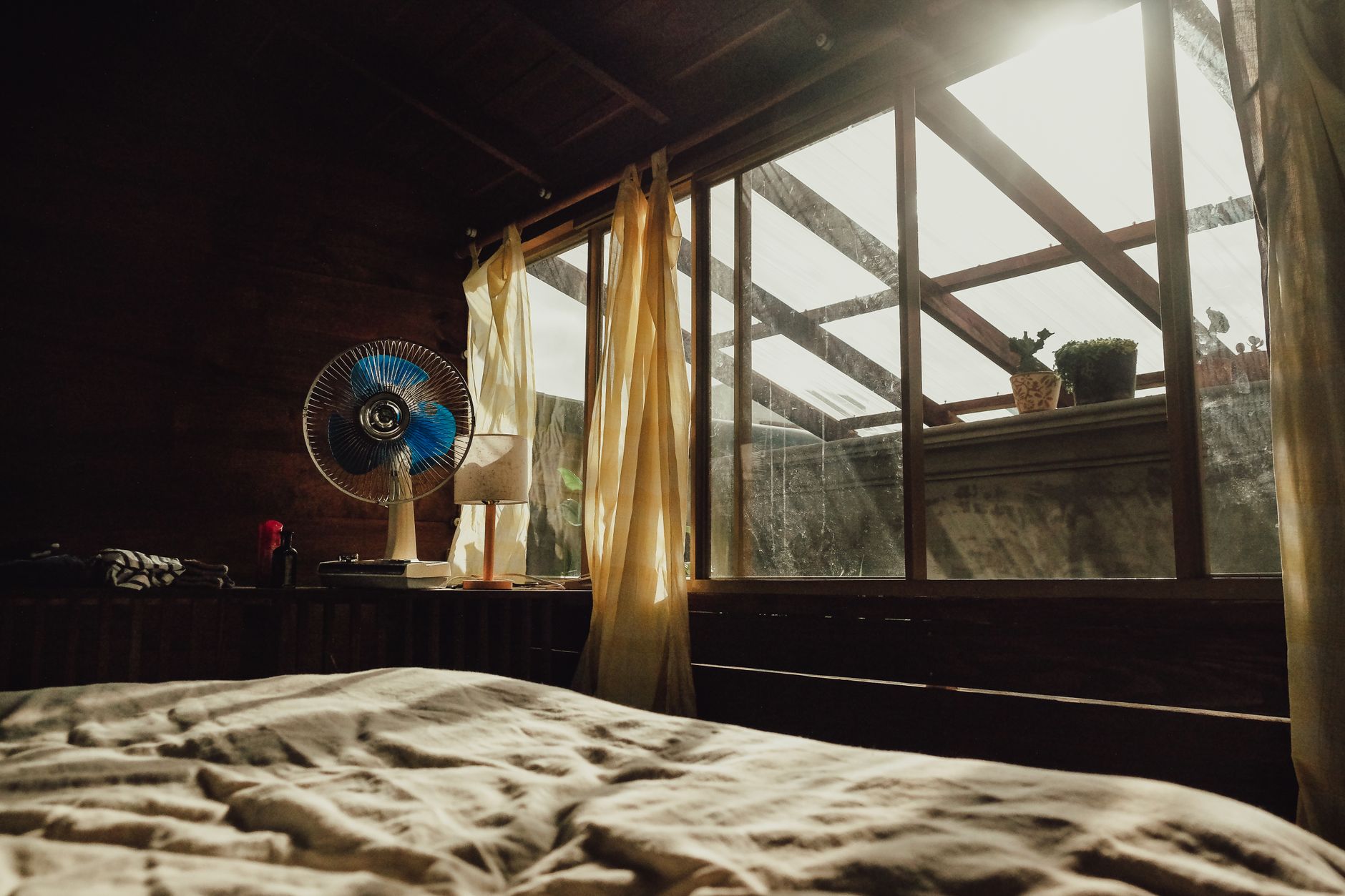
The bedroom is the part of a hot night you can change tonight. The National Institute on Aging puts it first when hot flashes keep you up: lower the bedroom temperature, sip a little cold water before bed, layer your bedding so you can adjust it as the night goes, and turn on a fan. Our bedroom checklist for hot nights puts each of those steps on one list, so you can mark what you have tried and print what is left.
Layers are the idea that runs through all of it. NIA suggests dressing in layers you can take off at the start of a flash, and the same logic works for the bed. A sheet, a light blanket and a heavier cover on top let you shed heat in seconds without getting up, which beats one thick duvet you either sweat under or throw off.
The room itself matters for sleep as a whole. NIA's sleep page asks for a room at a comfortable temperature, not too hot or too cold, kept as quiet as you can, with screens out of the bedroom. A partner who runs cold is a common snag here, and separate covers on one bed solve more arguments than a thermostat does.
Evenings count as well. NIA lists alcohol, spicy food and caffeine as things that can make menopause symptoms worse, and suggests no large meal close to bedtime.
This topic will carry the practical pieces: what to look for in bedding and nightwear for night sweats, how to cool a room without air conditioning, and how to share a bed when one of you is always too warm.
Related reading