Night sweats
Medicines that can cause night sweats
Tick the kinds of medicine you take and get what the NHS and MedlinePlus say about sweating for each, with the questions to ask at the pharmacy counter.
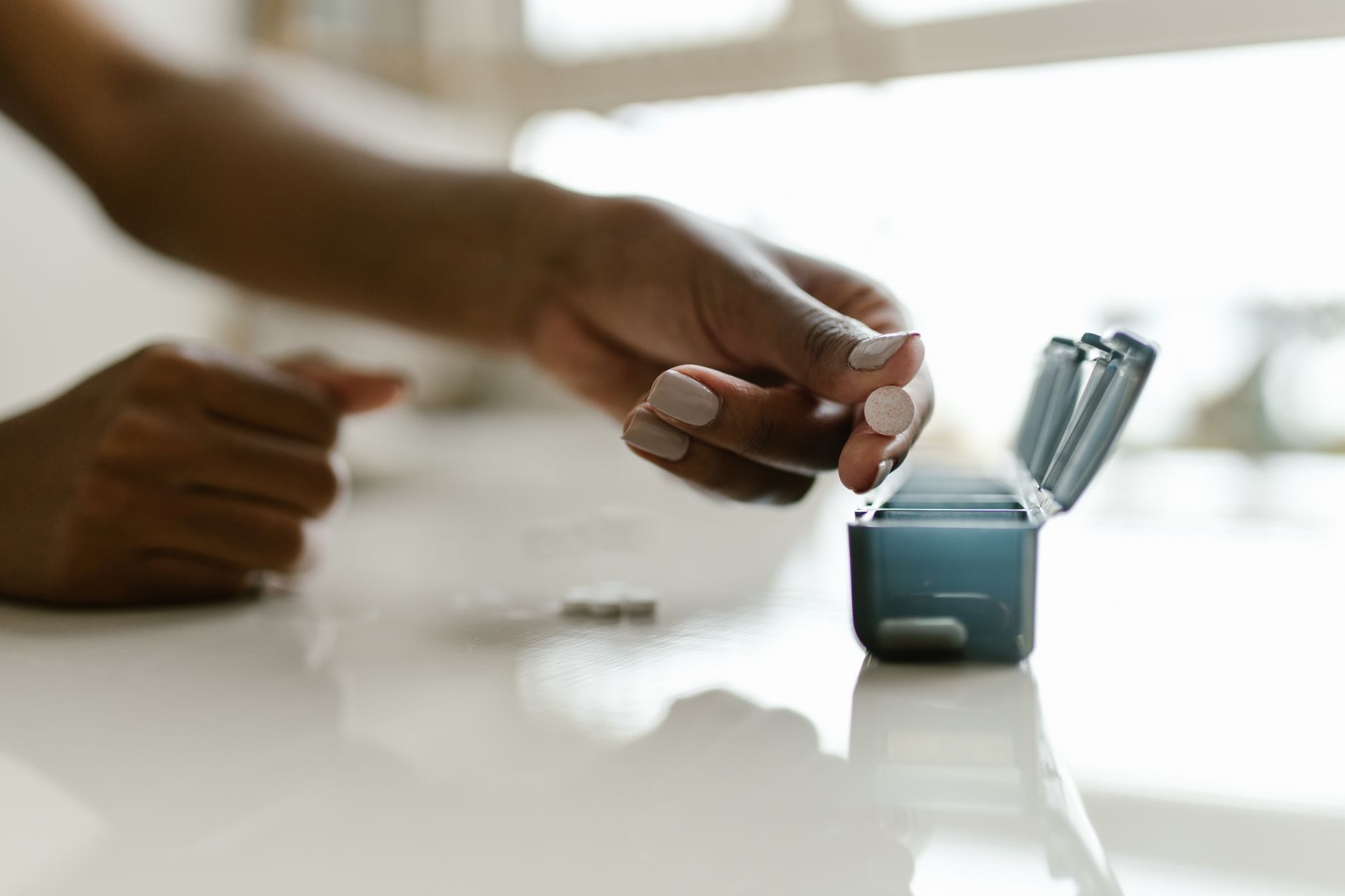
The medicines most often linked to night sweats are some antidepressants, steroids and painkillers, which are the three the NHS night sweats page names. MedlinePlus adds thyroid hormone and medicines that bring down a fever, and diabetes medicines can cause sweating through low blood sugar in the night. Keep taking whatever you have been prescribed and take the question to a pharmacist. A side effect on a list tells you what to ask about, but it cannot tell you that your medicine is the cause.
The checklist below sorts the medicines you take into those groups and builds a short list to show the pharmacist. You do not need to type the names of your medicines.
Which of my medicines can cause sweating?
Three questions. The list appears under the button and can be printed.
The seven groups and their sources
Every group below is named as a possible cause of sweating by the NHS or by MedlinePlus, the health information site of the US National Library of Medicine. Each entry links to the pages it is taken from. The checklist pulls these same entries into your list.
Antidepressants or other mental health medicines
For example: Sertraline, citalopram, venlafaxine, mirtazapine
The NHS names some antidepressants as a cause of night sweats and lists sweating more than normal among the common side effects of antidepressants. MedlinePlus lists excessive sweating as a side effect of sertraline, and its sweating page names medicines for mental health conditions in general.
Sweating together with a fast heartbeat, shaking, twitching muscles, or feeling confused or agitated can be serotonin syndrome, a rare but serious reaction the NHS describes. Call NHS 111 in the UK, or your doctor straight away in the US.
- Is sweating a known side effect of the antidepressant I take, and does it often settle after the first few weeks?
- If the sweating carries on, should I raise it with the doctor who prescribes it, and what should I keep doing until then?
Sources: NHS: antidepressants and MedlinePlus: sertraline
Steroid tablets
For example: Prednisolone, prednisone
Steroids are one of the three medicine types the NHS night sweats page names. MedlinePlus lists increased sweating among the side effects of prednisone, and warns against stopping it suddenly without talking to your doctor.
- Is increased sweating listed for my steroid, and is it more common on a higher dose?
- Does the time of day I take it make any difference to sweating at night, or is that a question for my prescriber?
Sources: NHS: night sweats and MedlinePlus: prednisone
Insulin or diabetes tablets that can lower blood sugar
For example: Insulin, gliclazide, glimepiride
Sweating is one of the symptoms of low blood sugar, and low blood sugar is on the NHS list of causes of night sweats. The NHS says hypos usually affect people who take insulin or some other diabetes medicines, such as gliclazide and glimepiride, and asks you to see a GP if you have had hypos at night.
If you wake sweating, shaky or confused, check your blood sugar if you can and follow the hypo plan your diabetes team gave you.
- Could my night sweats be hypos while I sleep, and how would I check?
- Should I tell my GP or my diabetes care team about sweating in the night?
Sources: NHS: low blood sugar and NHS: night sweats
Strong painkillers (opioids)
For example: Morphine, tramadol
The NHS lists painkillers among the medicines behind night sweats, and MedlinePlus names morphine on its list of causes of sweating. Withdrawal from narcotic painkillers is a separate cause on the same MedlinePlus list, and its tramadol page includes sweating among the symptoms of stopping suddenly.
- Is sweating listed in the leaflet for my painkiller?
- Could sweating be a withdrawal effect when I cut down or miss a dose?
Sources: MedlinePlus: sweating and MedlinePlus: tramadol
Hormone blockers after breast cancer
For example: Tamoxifen, anastrozole
MedlinePlus lists hot flashes as a side effect of tamoxifen, and both hot flashes and sweating for anastrozole. Both pages say to keep taking the medicine and not to stop without talking to your doctor.
- Are hot flashes and night sweats expected with this medicine, and who on my cancer team should hear about them?
- Are any remedies for night sweats unsafe to use alongside it?
Sources: MedlinePlus: tamoxifen and MedlinePlus: anastrozole
Thyroid hormone
For example: Levothyroxine
MedlinePlus puts thyroid hormone on its list of medicines that cause sweating. Its levothyroxine page lists sensitivity to heat as a side effect and asks you to tell your doctor about excessive sweating.
- Could sweating and feeling hot mean I need a blood test to check my thyroid levels?
- Does it matter that I recently switched to a different brand of levothyroxine?
Sources: MedlinePlus: sweating and MedlinePlus: levothyroxine
Medicines taken to bring down a temperature
For example: Paracetamol (acetaminophen) or ibuprofen for a fever
MedlinePlus lists medicines that reduce fever among the causes of sweating. The fever matters more here: the NHS asks you to see a GP if night sweats come with a very high temperature or you feel hot, cold or shivery.
- I have been taking this for a temperature. Should the fever itself be checked by a GP?
Sources: MedlinePlus: sweating and NHS: night sweats
Can sertraline cause night sweats?
Yes. MedlinePlus lists excessive sweating among sertraline's side effects and asks you to tell your doctor if it is severe or does not go away. The NHS sertraline page is less direct. Its list of common side effects leaves sweating out and names it only as one sign of serotonin syndrome, while the NHS antidepressants page counts sweating more than normal among the common side effects of the whole class, sertraline included.
Neither source says the sweating comes only at night. It is simply harder to miss in bed, where it soaks the sheets. The NHS adds that many antidepressant side effects ease after a couple of weeks as your body gets used to the medicine, though some last longer. Sweating also appears in the NHS list of withdrawal symptoms when an antidepressant is stopped, so missed doses are worth mentioning too. That is why the checklist asks question 3.
When menopause and a medicine overlap
Menopause hot flushes head the NHS list of night sweat causes, and many medicines on this page are started in the same years. A woman of 50 who begins an antidepressant may have perimenopause sweats already, and a pharmacist cannot pull the two apart without dates. What helps most is a plain timeline: when the sweats began, when each medicine or dose started, and whether you get hot flashes by day as well. Our printable night diary gives each night one line for that.
If you would rather keep the record on your phone, Her Good Days is a free app that logs night sweats with the time and how severe they were, next to your sleep and your medications with each dose change. It can show the weeks before and after a day you pick, such as the day you started a new medicine, as plain counts, and turn the dates you choose into a PDF for your doctor, marked as reported by you. Its app store listings are coming soon.
A worked example
Take a reader aged 52 who started sertraline in September and has taken gliclazide for type 2 diabetes for years. Her sweats began in October. She ticks the antidepressant and diabetes groups, answers yes to a new medicine and no to missed doses.
Her list carries both entries, with the serotonin syndrome warning and the advice to check her blood sugar if she wakes shaky. Because she answered yes to question 2, it also reminds her to write down the date she started sertraline. At the counter she can ask whether the timing fits sertraline, and whether the night sweats could be hypos instead, which the NHS wants a GP to know about. Had she ticked only "None of these", her list would say no group matched and point her back to menopause and the other NHS causes.
Taking it to the pharmacist
Bring the list, the boxes or the repeat prescription slip, and anything you buy yourself, since supplements and remedies count when a pharmacist checks for side effects. The NHS page on excessive sweating also sends you to a pharmacist first and to a GP if the sweating happens at night or you take medicine for another condition. In England, if one of your medicines is newly prescribed for a condition such as depression or type 2 diabetes, you can ask to join the New Medicine Service: three free conversations with a pharmacist over several weeks, who can send you back to your GP if needed. In the US, the pharmacist who fills your prescription can answer the same questions.
If a medicine is the likely cause, the NHS says a GP may prescribe a different one. That decision belongs to you and your prescriber, so carry on with every medicine as prescribed until you have spoken to them. If your sweats come with a fever, weight loss or a cough, use our night sweats warning-signs checker first. For a GP appointment, our doctor question builder helps you write down your questions about sweats and sleep.
My take
I'd start with the pharmacist, ahead of searching each medicine online. A pharmacist sees everything you take at once, including the ibuprofen and the supplements, and leaflets list dozens of side effects that most people never get. I'd go in with dates written down, because "the sweats started three weeks after the new tablets" is the sentence that moves the conversation on. And I'd never test the idea by skipping doses at home: the withdrawal sweating several of these medicines can cause would only muddy the answer. The other causes of sweating at night, menopause first among them, are covered in our night sweats section.
This checklist matches the groups you tick against published side-effect lists. It is an aid for a conversation with a pharmacist or doctor, and it cannot tell you what is causing your sweats.