Hot flashes at night
Black cohosh for hot flashes: the evidence
The studies disagree. A Cochrane review of 16 trials found black cohosh did no better than a placebo at cutting hot flashes, a 2023 analysis that also counted herb mixtures found a modest benefit, and the National Institute on Aging calls it unproven. Rare cases of liver damage have been reported in people taking it, and both NCCIH and the NHS send you to a doctor before you try it.
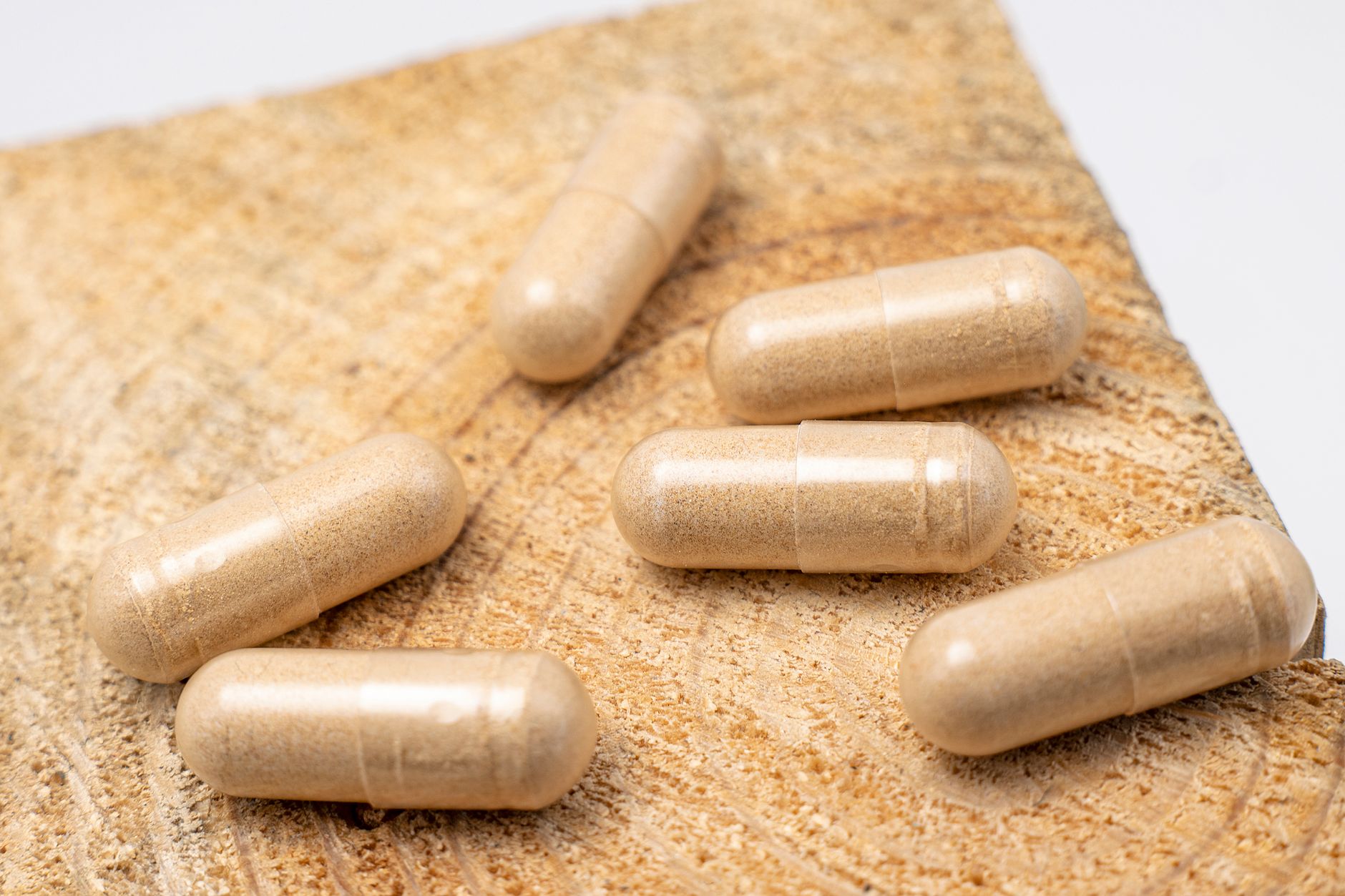
Black cohosh is the herb most women meet first when they look for something for hot flashes, and searches for it are climbing. This page sets out what the trials measured, where they disagree and what the safety record says. It does not tell you whether to take it: that belongs in a conversation with your doctor, and this site gives no advice on supplements, HRT or other medicines. For the night itself, the hot flashes at night section collects what helps and why the heat often peaks in the small hours.
What black cohosh is
Black cohosh (Actaea racemosa, also sold under its older name Cimicifuga racemosa) is a plant in the buttercup family that grows in North America. According to the National Center for Complementary and Integrative Health (NCCIH), Native Americans used it for menstrual cramps, sore throats and other complaints, and it has been used medicinally in Germany since the late 19th century. The supplements on sale today are made from its root and underground stem, and in the US they are marketed for menopause symptoms.
Because it is sold as a dietary supplement, it skips the approval process a new drug has to pass. NCCIH points out that the Food and Drug Administration does not approve supplements before they reach shelves, and that makers are responsible for their own safety and labelling.
What the trials found for hot flashes
The most cited summary is the 2012 Cochrane review, which gathered 16 randomised trials with 2,027 women in perimenopause or after menopause, all taking black cohosh on its own. Against a placebo, it made no significant difference to how many hot flashes women had each day, or to their overall menopause symptom scores. Hormone therapy did better than black cohosh on both. The reviewers concluded there was not enough evidence to support it, and added that the trials were often too poorly reported to judge their quality.
One trial in that review carries extra weight because of its design. The HALT study, published in Annals of Internal Medicine in 2006, followed 351 women aged 45 to 55 for a full year. Each had at least two hot flashes or night sweats a day. Women taking black cohosh alone, or a ten-ingredient herbal blend containing it, had no fewer symptoms than those on a dummy pill at three, six or twelve months. The gap was under one symptom a day. Hormone therapy, by comparison, cut about four a day. The authors wrote that black cohosh "shows little potential as an important therapy" for these symptoms.
The more favourable result comes from a 2023 meta-analysis in the journal Menopause. It pooled 22 papers covering 2,310 women and, unlike Cochrane, included products that combined black cohosh with other ingredients. Compared with placebo, these products were linked with improvements in overall menopause symptoms and in hot flashes, but not in anxiety or low mood. Women dropped out of the black cohosh groups at about the same rate as from the placebo groups. NCCIH now cites this review as finding the extracts "potentially beneficial".
Why the reviews disagree
The two reviews were answering slightly different questions. Cochrane looked only at black cohosh on its own, while the 2023 analysis let in blends, so part of any effect it found may belong to the other herbs in them. The products also vary: trials used different extracts, made in different ways, for anything from a few weeks to a year.
Hot flash trials have a further problem, which is that women on a dummy pill often improve too. In HALT, every group, placebo included, reported fewer symptoms over the year, which is why only a comparison against placebo tells you anything. Cochrane also found that many trials left out how women were assigned to groups and what happened to those who dropped out, the details that decide how far a result can be trusted.
Public health bodies have read all this cautiously. The National Institute on Aging lists black cohosh among the herbal products that have not been proven to help with hot flashes and that can carry risks. The NHS says there is very little evidence on how well remedies such as black cohosh and red clover work, or how safe they are.
Black cohosh and night sweats
Night sweats are hot flashes that happen while you sleep, as ACOG describes them, so the hot flash findings above cover them in broad terms. Few trials measured night sweats separately, though. Cochrane found too little data to pool the results for night sweats and named them as one of the outcomes that still needs study. If a product promises to stop night sweats in particular, it is claiming more than the published research has measured.
Night sweats also have causes besides menopause, including some medicines, low blood sugar and infections. The night sweats section lists the signs the NHS says should take you to a GP whatever you decide about supplements.
The liver warning
In research studies lasting up to a year, black cohosh was generally well tolerated, NCCIH says. The concern comes from outside the trials. Cases of liver damage, some of them very serious, have been reported in people taking products labelled as black cohosh. NCCIH calls these cases rare and says it is uncertain whether the herb caused them.
One possible explanation is what is actually in the bottle. NCCIH notes that some commercial products have been found to contain the wrong herb, or black cohosh mixed with other plants that the label does not list, and that these contaminants might be behind some of the liver cases, though that is not proven. Its advice to anyone using the herb is to contact a health care provider if they develop signs of liver trouble such as dark urine and fatigue.
Who should be most cautious
NCCIH flags several groups for whom the safety picture is unclear:
- Women who have had a hormone-sensitive condition such as breast or uterine cancer. It is uncertain whether black cohosh is safe for them, and also uncertain whether it eases hot flashes caused by breast cancer treatment.
- Anyone taking prescription or over-the-counter medicines, because some herbs and medicines interact in harmful ways. The NHS makes the same point about herbal remedies for menopause.
- Women who are pregnant or breastfeeding, for whom NCCIH says it may not be safe.
Blue cohosh is a different plant. NCCIH links it to high blood pressure, high blood sugar and chest pain, so the two names are worth reading carefully on any label.
Talking to your doctor about it
The NHS suggests talking to a doctor, nurse or pharmacist about the options for menopause symptoms, and lists cognitive behavioural therapy among the non-hormonal treatments it may offer for hot flushes and night sweats. If you already take black cohosh, or are thinking about it, say so at the appointment along with every other supplement and medicine you use. NCCIH asks people to tell all their health care providers about any complementary product.
It also helps to arrive with a record of the symptom itself: how many hot flashes or night sweats you have, how bad they are and whether they wake you. Two weeks of notes give your doctor something to compare against later. The printable night diary has a column for each, and the bedroom checklist for hot nights covers the cooling steps NIA and the NHS suggest for the room itself.
My take
I'd judge the evidence by the placebo comparison above everything else, and I'd start with HALT. It ran for a year, compared each herbal group with a placebo, and still found less than one symptom a day between them. The 2023 analysis is the strongest case in favour, but because it mixed black cohosh with other herbs, it cannot say which ingredient did the work. With rare but serious liver reports and no way to know what a given bottle contains, I would treat black cohosh as an open question to raise with a doctor who knows your history and your other medicines, and I'd bring a fortnight of night notes to that appointment.