Night sweats
Hot flashes during your period: why they happen
In perimenopause, estrogen rises and falls unevenly from cycle to cycle, and hot flashes seem to follow the fall more than the low point. The drop just before a period is one of those falls, which is why night sweats in particular can bunch up in the few days before bleeding and ease once it starts.
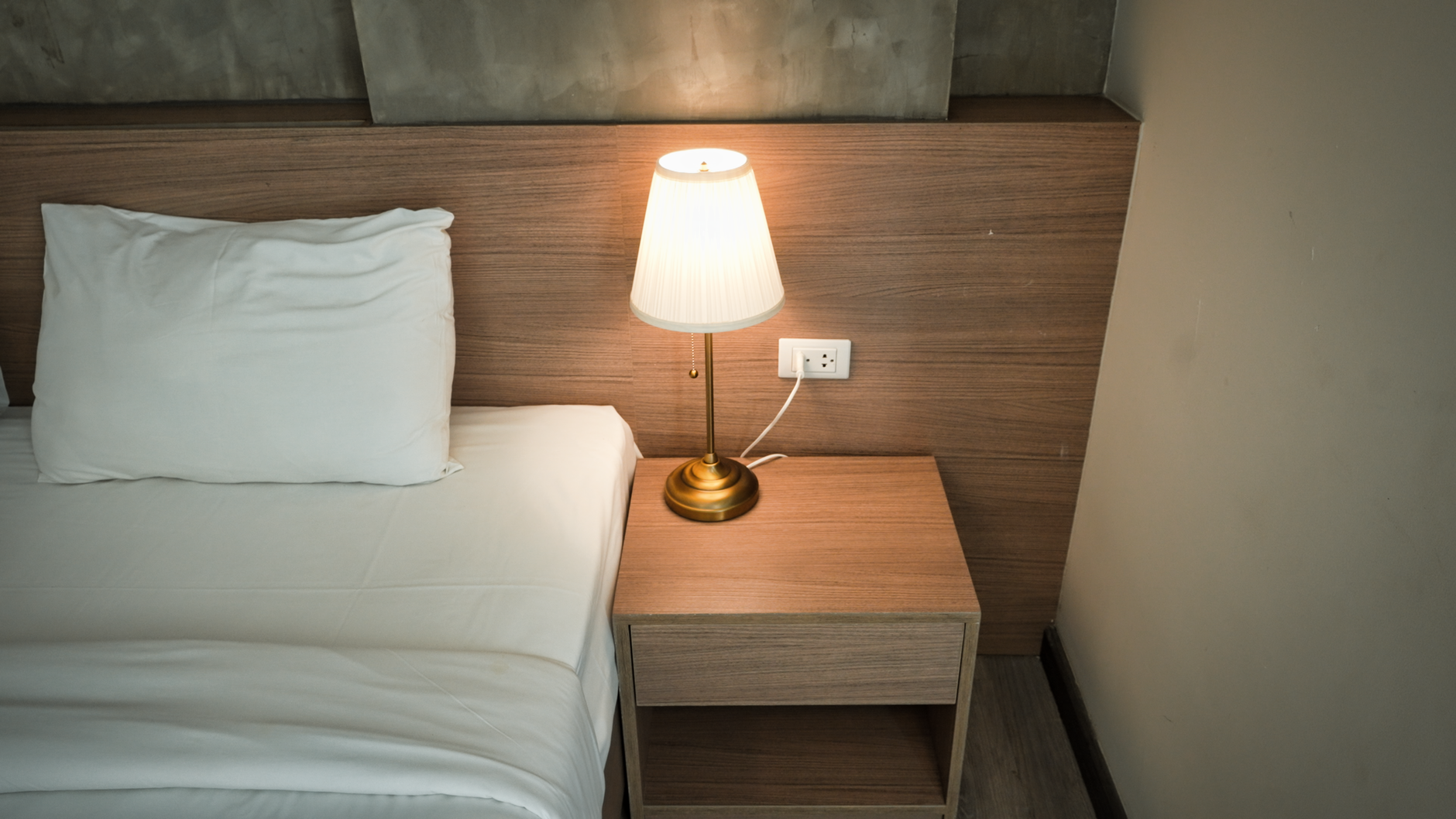
This page is for the woman in her forties who still has periods, more or less on time, and has noticed that the nights before one now end with a damp pillow. It covers why that happens, what the small amount of research shows, which other causes are worth ruling out, and how a few cycles of notes can settle the question. Hot flashes at other times of the month are covered in the hot flashes at night section.
Why a period can bring on hot flashes
The American College of Obstetricians and Gynecologists (ACOG) says that starting in your 30s and 40s the amount of estrogen your ovaries make begins to fluctuate. Periods may come closer together or further apart, and the flow may get lighter or heavier. Hot flashes and sleep problems are on its list of common signs of these years, which are called perimenopause.
The link to the cycle comes from what seems to trigger a flash. The Centre for Menstrual Cycle and Ovulation Research at the University of British Columbia, CeMCOR, describes hot flushes as a kind of estrogen withdrawal. In its account the trigger is a dropping level, from high to normal or from normal to low, more than a low level held steady. The drop releases norepinephrine, a stress hormone in the brain, which narrows the range of temperatures your body treats as comfortable. A room that felt fine an hour ago is suddenly too warm, and you flush and sweat to shed the heat.
Estrogen normally falls in the days before a period. In perimenopause the peaks can be higher and the swings rougher, so that fall can be steep enough to set off flashes in a woman who has few or none for the rest of the month.
Night sweats before your period
The clearest evidence comes from one small study. In a paper published in Climacteric in 2003, 24 women with an average age of 47, all still having periods and none on hormone treatment, filled in a daily perimenopause diary for 98 complete cycles. They rated night sweats, daytime flushes, breast tenderness and sleep each day and took their temperature every morning to show whether they had ovulated.
Night sweats peaked in the three days before bleeding. The pattern held in cycles where the woman ovulated and did not hold in the few where she did not. Daytime flushes did not follow the cycle overall, and showed only a weaker rhythm in ovulating cycles. Breast tenderness, a familiar premenstrual symptom, peaked in the same window as the sweats.
CeMCOR adds a description from its own research: in very early perimenopause, when cycles are still regular and daytime flushes are rare, night sweats that come and go are more likely to fall around menstruation. It also says night sweats appear to be many women's first experience of hot flashes. For many women, then, the first sign is a wet nightshirt three nights before a period, long before any flush during the day.
The pattern is worth knowing about, but the evidence behind it is thin. Twenty-four women is a small sample, and studies of hot flashes often do not track night and day separately, which CeMCOR names as a gap.
Is it a sign of perimenopause?
Hot flashes before a period in midlife point towards perimenopause, the stage before periods stop. In an ACOG article on changing periods, an ob-gyn writes that a change in periods is often the first sign of perimenopause and that hot flashes and sleep problems are among the most common signs after it. She adds that once these symptoms arrive most women can expect menopause to be a few years away. The average age for the last period is 51, and menopause is only confirmed after 12 months without one.
So the sweats can help you place yourself, but they do not give a date. Some women have them for years before their final one, and some never notice a link with the cycle at all.
Other reasons for sweating around a period
Perimenopause is the likely reason in your forties, but the same ACOG article calls it a diagnosis of exclusion: a doctor first rules out other causes of changed bleeding, such as a thyroid disorder, high prolactin, polyps, fibroids or infection. If your periods have become much heavier or closer together, or if you bleed between them, ACOG says to report it, even though such changes are common in these years.
Sweating at night has its own set of causes. The NHS night sweats page gives menopause as one of the most common causes, alongside anxiety, some antidepressants, steroids and painkillers, low blood sugar, alcohol or drugs, and hyperhidrosis, a harmless tendency to sweat too much. Two of those turn up around a period anyway: a glass of wine to take the edge off cramps, and painkillers taken for a few days. If you started a new medicine around the time the sweats began, tell your GP and keep taking it until you have asked.
Getting through the nights before a period
If you can see the bad nights coming, you can set the room up in advance rather than at 3am. The steps the NIA and NHS give for any hot night apply here: a cooler bedroom, a fan, bedding in thin layers you can drop in the dark, light nightwear and a glass of cold water on the nightstand. The bedroom checklist for hot nights sets them out one line at a time, and the guide to cooling a bedroom without air conditioning covers curtains, windows and humidity.
CeMCOR lists what tends to make flushes worse: stress, including pain, irregular times for eating and sleeping, inactivity and smoking. The week before a period often brings cramps, poor sleep and a shifted routine all at once, so keeping meals and bedtime steady through those days is a reasonable aim. If you want medical treatment for the sweats, talk it over with your doctor, because this site does not give treatment advice.
When a diary helps
A pattern tied to the cycle is invisible night by night and obvious on paper. Mark day 1 as the first day of bleeding, then write down each night whether you sweated, how much it bothered you (mild, moderate or severe), and whether it woke you. Add alcohol, painkillers and any very late meal. After two or three cycles you will see whether the sweats keep landing in the same few days before bleeding, drift with no link to the cycle, or are getting more frequent overall.
The printable night diary already has columns for sweats, wakings and drinks. Use its notes line for the cycle day. If the bad nights also leave you awake from the early hours, the article on waking at 3am explains why flashes and wakings cluster in the second half of the night.
When to see a doctor
The NHS says to see a GP if you regularly have night sweats that wake you up or worry you, if they come with a very high temperature, a cough or diarrhoea, or if you are losing weight for no reason. Add to that ACOG's advice to report changes in bleeding. Sweats that come only before a period and settle once it starts are still worth mentioning if they break your sleep for several nights a month.
Our night sweats warning-signs checker walks through the signs that point away from hormones and says how soon to book.
My take
If you are in your forties and the sweats arrive a few nights before each period, I would read that as a likely early sign of perimenopause and start writing the nights down rather than waiting to see. The evidence for the premenstrual pattern is a single small diary study plus a research centre's clinical description, which is enough to recognise the pattern but not enough to rule anything else out. Two or three cycles of notes, together with any change in your bleeding, give a GP something to work with. More on sweating at night, with or without a period, is in the night sweats section.