Insomnia and 3am waking
Exercise before bed: is it bad for sleep?
For most people, moderate exercise in the evening does not harm sleep: a review of 23 studies found no damage even when a session ended 30 minutes before bed, and deep sleep went up slightly. Hard, breathless training in the last hour is the exception, and in midlife the extra body heat is the part worth watching, because some women do get more hot flashes after activity.
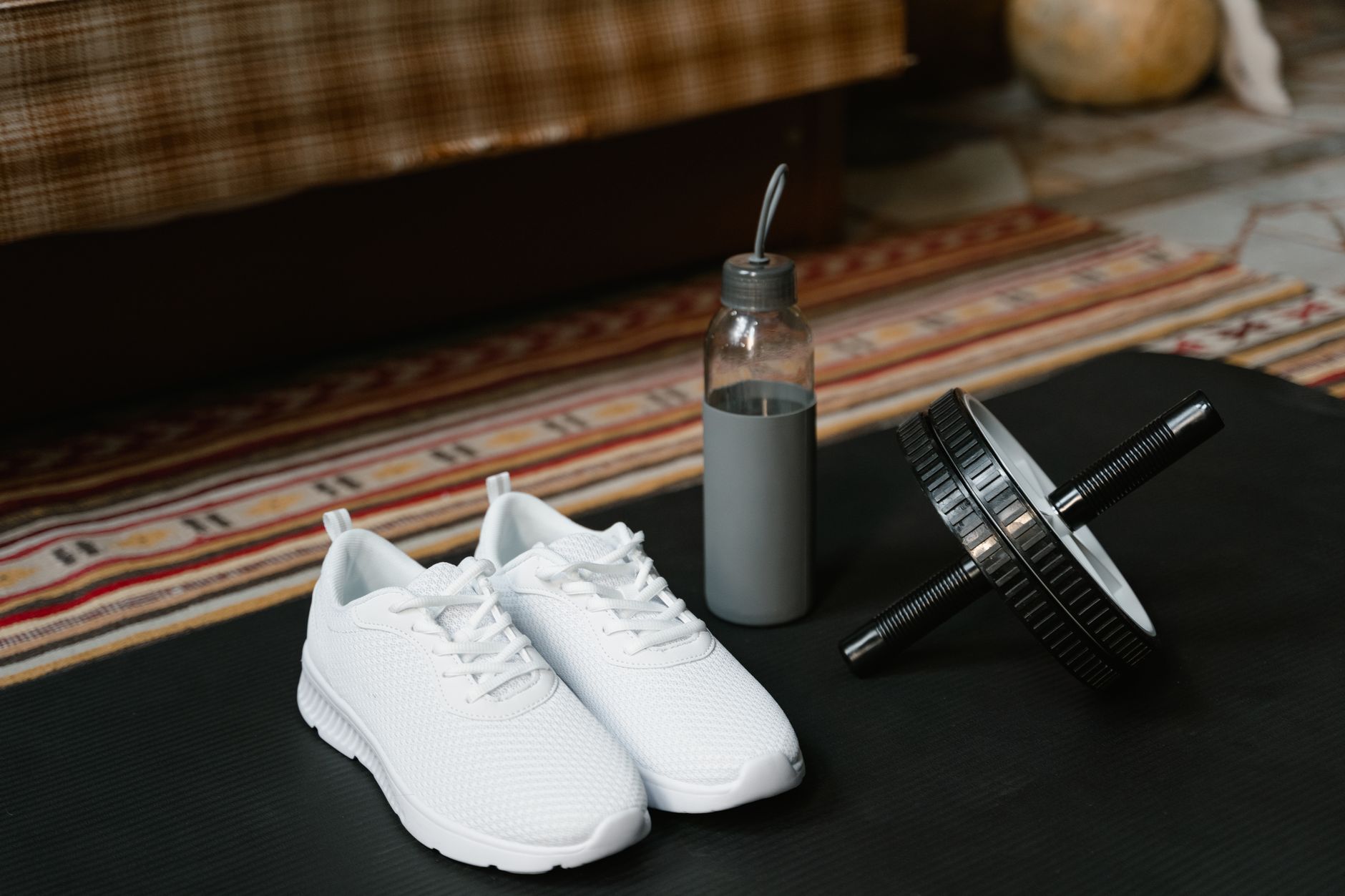
Plenty of women in their forties and fifties can only fit exercise in after work, and then wonder whether the class or the run is the reason they lie awake or wake up soaked at 2am. The official advice says leave a gap of three or four hours. The research is more relaxed than that. This page sets the two side by side and adds what is known about workouts and hot flashes, so you can judge your own evenings.
What the official sleep advice says
The US National Institute on Aging, in its tips for sleep in older adults, says to get regular exercise but not within three hours of bedtime. The NHS insomnia page is stricter: exercise regularly during the day, and do not exercise in the 4 hours before bed. Both pages also recommend regular sleep times, a cool, dark room and less caffeine and alcohol late in the day.
These are cautious rules for a whole population, written to cover the person whose sleep is easily upset. They do not say what happens to an ordinary sleeper who goes to a 7pm class, and that is the question the studies took on.
What the studies found about evening exercise
In 2018 researchers at ETH Zurich pooled every study that met their standards, 23 in all, on exercise in the four hours before bed in healthy people. The university's summary of the Sports Medicine paper reports no harm to sleep. On nights after evening exercise, participants spent 21.2 percent of their sleep in deep sleep, against 19.9 percent on nights without it. That difference is small, but it points the opposite way from the usual warning.
Moderate exercise did not cause sleep problems in any of the studies, even when the session finished 30 minutes before bed. The one exception was vigorous training within the hour before bed, after which people took longer to fall asleep. Their hearts were still beating more than 20 beats a minute above resting when they lay down. The authors point out that this exception rests on a single study.
They gave a simple test for telling the two apart. Moderate means you could still talk but could no longer sing. Vigorous means you cannot talk. High-intensity interval training is the typical vigorous session, while a long steady run or bike ride usually counts as moderate.
Two limits matter for this site's readers. The studies were in healthy people who slept well, and none of them was about perimenopause or night sweats. A night already broken by hot flashes may be more fragile than the nights in these trials.
Evening workouts and hot flashes
Exercise raises core body temperature, which is why many women expect a workout to set off flashes. Penn State researchers tested that idea in 92 women aged 40 to 59 with mild to moderate symptoms, who wore activity monitors and skin sensors that record a flash from sweat for 15 days. In the university's account of the study, the women had fewer hot flashes, on average, in the 24 hours after being active. The smallest drop was in women who were overweight, less fit, or already had frequent or intense flashes. The lead researcher concluded that women with mild to moderate flashes have no reason to avoid activity for fear of making them worse.
The average hides real differences between women. A smaller study by the same team followed 24 women, each with five to 20 hot flashes a day, for a month, and analysed each one separately. In the report of that study, a clear link showed up in only a handful of women: two had more hot flashes the day after activity, and one had fewer. Women who felt they had little control over their flashes were the ones more likely to have more after exercise.
Exercise as a treatment for flashes has a weaker record. In the MsFLASH trial, 248 inactive women in perimenopause or after menopause were assigned either 12 weeks of moderate aerobic exercise three times a week or their usual routine. A summary of the trial reports that flashes fell by about the same amount in both groups, while fitness rose in the exercise group and sleep quality and insomnia symptoms improved a little, short of statistical significance.
Exercise timing and sleep in menopause
Put together, the evidence gives a fairly clear picture for women whose nights are already hot. A moderate session in the evening is unlikely to cost you sleep, and on average it does not bring on more flashes. Two things can still go wrong, and both have to do with heat and arousal at bedtime.
- Hard sessions late. Interval classes, spin or a fast run that leaves you unable to talk keep the heart rate up for a while afterwards. If that is your workout, the ETH team suggests putting it earlier where you can.
- Going to bed warm. A hot gym, a hot shower straight after and a warm bedroom add up. The NHS and NIA both name a cool bedroom as part of good sleep, and the NHS advice on hot flushes is to keep the bedroom cool. Giving yourself time to cool down before bed, with a lukewarm shower and lighter covers, deals with the heat whatever time you trained.
Gentle movement such as stretching, yoga or a walk after dinner sits well below the moderate sessions that the pooled studies found harmless. For many women it is the easiest kind of activity to fit into a long day.
Finding out whether it matters for you
Because women react so differently, your own nights are better evidence than any average. The NIA suggests keeping a sleep diary for a couple of weeks and noting whether you exercised that day, alongside caffeine, alcohol and when you woke. The printable night diary has room for that: add the time of any workout and whether it was easy, moderate or hard.
If the diary suggests evening exercise is a problem, the two-week trigger test shows how to change one thing at a time, so you can tell whether the workout matters more than the glass of wine or the warm room. If you are lying awake for reasons that have nothing to do with exercise, the menopause insomnia article covers what the trials found helps.
Talk to a GP if poor sleep has gone on for months or is making it hard to cope day to day, which is the point at which the NHS suggests getting help, or if changing your sleep habits has not made a difference.
My take
I'd keep the evening workout. The pooled studies give no reason to drop a moderate session, and the studies on hot flashes suggest that for most women activity calms them over the following day. What I'd change is the end of the evening: move the hardest sessions earlier if your week allows, and leave time to cool off before getting into bed. I'd start with two weeks of notes and judge it by your own nights: if the diary shows they are worse after a late class, that is a better guide than any of the averages on this page. The insomnia and 3am waking section has more on protecting the nights themselves.