Insomnia and 3am waking
Restless legs in menopause: what is known
Restless legs syndrome is more common in women and most often starts in middle age, and research suggests menopause brings more cases and worse symptoms, though nobody has shown exactly why. Many cases have another cause a GP can look for, such as low iron, kidney problems or a medicine, so the menopause explanation is worth checking rather than assuming.
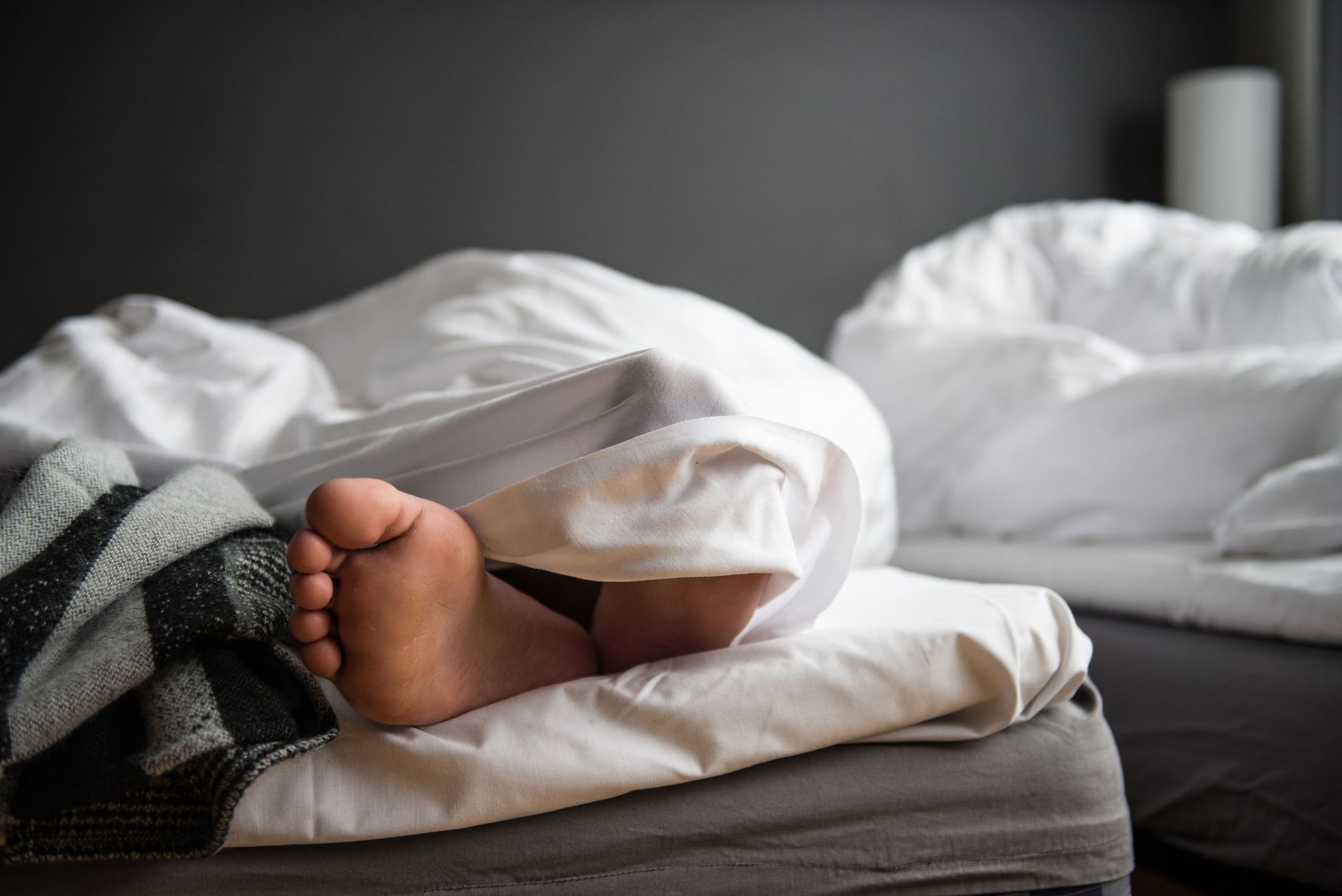
This page is for the woman who lies down, feels her legs fizz or ache, and has to get up and walk the landing before she can sleep. It sets out what is known about the menopause link, what else causes the same feeling, and what to take to a GP. The overview of menopause sleep problems covers the other usual reasons nights break up.
What restless legs feel like
The NHS describes a strong need to move your legs, with uncomfortable feelings such as tingling, throbbing or itching, and sometimes pain. The US National Institute of Neurological Disorders and Stroke (NINDS) adds aching, pulling, crawling and creeping to the list. Some people feel it in their arms too.
Three features set it apart. It comes on when you rest, sitting through a film or lying in bed. Moving eases it, but only while you keep moving. And it is worse in the evening and at night, with a quiet spell in the early morning. NINDS notes that it can make it hard both to fall asleep and to get back to sleep after waking.
Two things are often mistaken for it, and the NHS names both: leg cramps, where a muscle suddenly tightens and hurts, and peripheral neuropathy, nerve damage that brings numbness, burning or pins and needles that do not ease with walking.
Restless legs in perimenopause
NINDS says the condition can begin at any age but most often starts in middle age, and is more common in women. A 2020 review in the International Journal of Environmental Research and Public Health cites a French survey of more than 10,000 adults in which about 10.8% of women and 5.8% of men had it over a year.
The same review calls the menopause finding a paradox. Restless legs often first appear in late pregnancy, when estrogen is high, so you might expect them to fade once estrogen falls. Instead, the author writes, menopause increases how often and how badly symptoms occur. Her suggestion is that changes in estrogen, rather than its level, may be what sets symptoms off. That would fit the uneven hormone swings of perimenopause, but it remains a hypothesis. The review also reports no statistical link between restless legs and either being postmenopausal or using HRT.
Iron is the other thread. The NHS says restless legs are thought to be linked to iron and to dopamine, a brain chemical that helps control movement. The review points out that women have lower iron stores than men until menopause because of monthly bleeding. If your periods have become heavier or more frequent in perimenopause, tell your GP, because heavier bleeding can lower your iron.
Hot flashes and moving legs
A Swedish team recorded the sleep of 344 women at home, wiring their legs as well as their brains, and published the results in the Journal of Clinical Sleep Medicine in 2014. They were looking at periodic limb movements: twitches or jerks of the legs during sleep that NINDS says come every 15 to 40 seconds and can go on all night. Most people with restless legs have them, and most people who have them do not know.
Women who reported hot flushes and sweating had 1.86 times the odds of frequent leg movements, after the researchers allowed for age, smoking, apnea and restless legs themselves. Being past menopause, judged by a blood hormone test, made no difference once age was counted. The authors also cite an earlier study that linked hot flushes, rather than postmenopausal status, to restless legs.
They are careful about what this means. The study took one night from each woman, so it cannot say which came first. One explanation they give is simply that women whose legs keep disturbing their sleep spend more time awake and so notice more night sweats. If you have both, it is worth telling your GP about both at once.
Other causes of restless legs at night
The NHS says there is often no clear cause, but restless legs are more likely if a relative has them, and they can go with several things a doctor can check:
- iron deficiency anaemia
- kidney disease
- pregnancy, when symptoms usually go after the birth
- some medicines
NINDS is more specific about the medicines: some anti-nausea drugs, antipsychotics, antidepressants that raise serotonin, and some antihistamines. Several of those are prescribed or bought in midlife for low mood, sleep or allergies, so a new medicine taken shortly before the legs started is worth raising. Keep taking anything you have been prescribed and ask your GP or pharmacist, rather than stopping it yourself.
NINDS also lists alcohol, nicotine and caffeine, and other sleep problems including sleep apnea, which becomes more common after menopause. Lost sleep of any kind can make symptoms worse, which is part of why the condition feeds on itself.
What the NHS suggests trying
The NHS gives a short list of things to do yourself before or alongside seeing a doctor:
- exercise during the day, and avoid strenuous exercise or a big meal late at night
- go to bed and get up at the same time every day, and skip daytime naps
- a warm bath or heat pads on your legs before bed
- walking, stretching or massaging your legs when symptoms start
- something to occupy your mind, such as reading or a puzzle
- no caffeine after midday, and no alcohol in the 2 hours before bed
- no phone or tablet right before sleep, and help to stop smoking
The warm bath can look like it clashes with advice for night sweats. It doesn't have to: warm the legs, then go to a bedroom kept cool, as the bedroom checklist for hot nights sets out. NINDS lists an ice pack alongside the heating pad, so if heat sets off a flush, try cold on your legs instead.
When to see a GP
The NHS says to see a GP if restless legs stop you sleeping, affect your mental health, or have not improved with the things you can do yourself. NINDS lists mood changes, daytime sleepiness, poor concentration, memory problems, depression and anxiety among the effects, which overlap heavily with what menopause itself brings. Months of broken sleep from either source deserve an appointment.
There is no single test. NINDS says a doctor goes by your symptoms, history, medicines and family, and may use blood tests to rule out low iron, kidney failure and other reasons for disturbed sleep. Treatment depends on what turns up, and the NHS says that treating an underlying cause may be enough. That decision belongs with your GP, and this site gives no advice on medicines or supplements.
Notes worth keeping
Restless legs are diagnosed from what you describe, so a fortnight of notes is useful. Write down the time the feeling started each evening, how long it lasted, what eased it, and whether you woke with it in the night. Add coffee, tea and alcohol with their times, any new medicine, and whether hot flashes or sweats came the same night. Note heavy periods too.
The printable night diary already has columns for wakings, sweats and drinks, and you can use its notes line for your legs. If you lie awake for an hour after they settle, the article on menopause insomnia covers what helps with the sleeplessness that follows.
My take
I would not let anyone, including yourself, file restless legs under "just the menopause" before the dull checks are done. The menopause link is real enough to take seriously, but it rests on surveys and one-night studies, while low iron and a medicine side effect are things a blood test or a list of your prescriptions can find. Try the NHS habits for two weeks, keep the notes, and take both to your GP if nothing changes. More on broken nights is in the insomnia and 3am waking section.