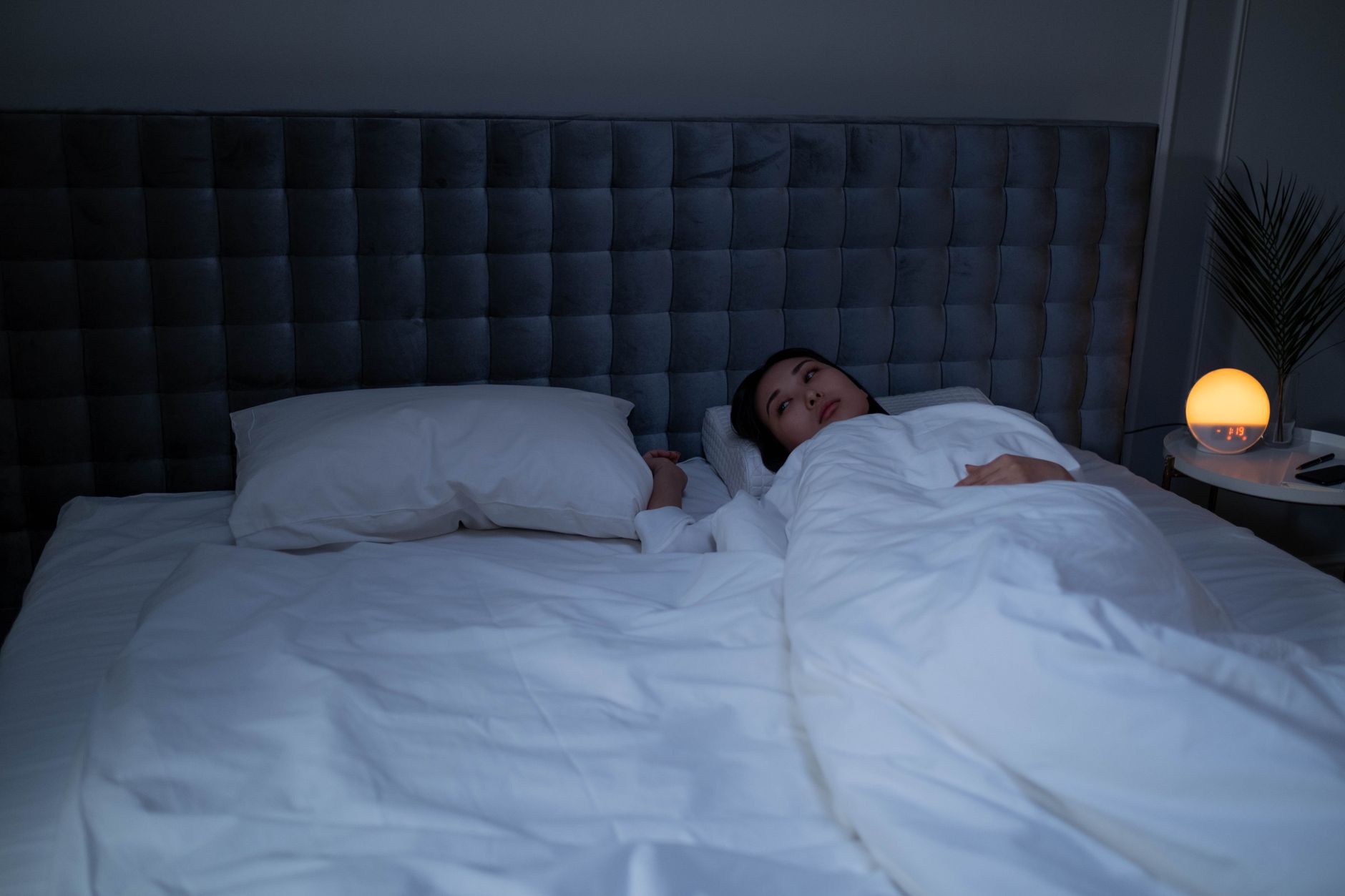
Waking at 3am in menopause: why it happens
Why so many women in perimenopause and menopause wake at 3am, what sleep studies say about hot flashes in the early hours, and what to do while you lie awake.
Night-time menopause symptoms and sleep
About
Claire Holloway
Night-time menopause symptoms and sleep
Claire Holloway writes Midlife Nights' guides to hot flashes after dark, night sweats and menopause insomnia. She works from the NHS, NIH, ACOG and The Menopause Society pages and from published studies, links each one where a fact is used, and keeps treatment decisions where they belong: with your doctor. Her pieces say what she would try first and why, based on what those sources show.
Why so many women in perimenopause and menopause wake at 3am, what sleep studies say about hot flashes in the early hours, and what to do while you lie awake.
Twelve ways to keep cool at night during menopause, based on NIA and NHS advice. Tick what you have tried and whether it helped, then print what is left to try.
Why sleep falls apart in perimenopause and menopause, how long it tends to last, how anxiety feeds it, and what the evidence says helps, from NIA, NHS and SWAN.
Why sleep changes in perimenopause and after: night sweats, early waking, mood, sleep apnoea and night-time trips to the toilet, and what NIA and the NHS say helps.
A free menopause night diary: bedtime, wakings, each hot flash or night sweat rated mild, moderate or severe, and evening food and drink. Fill it in or print it.
Related reading
A page signed here opens with the answer to its question in two or three sentences. Each health fact after that links to the page it came from, in the sentence that uses it: an NHS page, a National Institute on Aging guide, an ACOG patient FAQ, a guideline or a study. Symptoms are described as mild, moderate or severe.
Where a page says what to try first, that is a judgement drawn from those sources, and it is labelled as one. Nothing signed here recommends a treatment, a dose or a supplement. The editorial policy sets out how sources are chosen and how corrections are made.